Peptides

Research Peptides by Research Area
Explore our research peptide catalog organized by research area, including metabolic, mitochondrial, musculoskeletal, neurological and other specialized fields.

Featured Research Peptides
BPC-157, CJC-1295 w/o DAC, Ipamorelin, ARA-290, SS-31, Epitalon and GHK-Cu.

Active filters

AICAR - 100mg
€79.00
Tax excluded
IN-STOCK
favorite_border favorite
Adenosine monophosphate (AMP) has a well-known experimental analog in the molecule AICAR. In preclinical research models, AICAR has been extensively used to investigate AMPK-mediated cellular energy regulation, metabolic stress responses, and redox balance. In in vitro systems and animal studies, AICAR has been evaluated in experimental contexts related to cardiac ischemia models, where AMPK activation has been associated with modulation of cellular survival pathways under ischemic stress. Due to its role in regulating oxidative stress and energy metabolism, AICAR has also been studied in experimental ageing-related models, as well as in preclinical models of metabolic and inflammatory dysregulation, including those used to investigate mechanisms relevant to insulin signaling, immune activation, and chronic inflammation. These findings are limited to controlled laboratory and animal research settings and are used to explore underlying biological mechanisms rather than clinical applications.
AOD9604 - 5mg
€34.00
Tax excluded
IN-STOCK
favorite_border favorite
AOD9604 is a synthetic peptide derived from the C-terminal fragment (176–191) of human growth hormone (hGH), incorporating a disulfide bridge for structural stability. It is used in preclinical research models to investigate lipid metabolism, adipose tissue regulation, and related metabolic pathways, including experimental effects on lipolysis and lipogenesis. In animal and in vitro studies, AOD9604 has also been explored in research contexts involving metabolic, cardiometabolic, and musculoskeletal biology, including experimental models of bone and cartilage tissue remodeling, alone or in combination with other research peptides.  
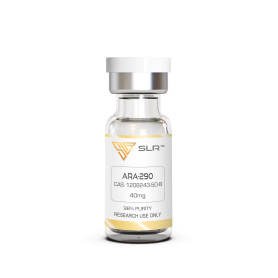
ARA-290 - 40mg
€115.00
Tax excluded
IN-STOCK
favorite_border favorite
Reconstitution Note ARA-290 is supplied in a PBS-buffered formulation (Phosphate Buffered Saline). Due to its amphipathic nature, the peptide may exhibit self-association, leading to increased viscosity or gel-like behavior during or after reconstitution. To reduce gelification risk: use adequate solvent volume (avoid high concentrations), mix gently, allow equilibration at room temperature, and apply slight warming if needed. Check solvent pH and adjust with buffer (e.g., PBS) if required. Prepare fresh solutions and avoid prolonged storage. These behaviors are not uncommon for amphipathic peptides and do not necessarily indicate product instability or degradation.ARA-290 has been investigated in preclinical and experimental research models designed to study inflammatory, metabolic, vascular, and neurobiological mechanisms relevant to the following disease-related research contexts: Cardiovascular-related experimental modelsRetinal ischemia and microvascular injury models Peripheral nerve injury and neuropathy models Small fiber nerve degeneration models Chronic inflammatory joint disease models Renal inflammation and metabolic stress models Hepatic lipid accumulation and inflammatory liver models Intestinal inflammation models Systemic autoimmune and immune dysregulation models Wound healing and tissue repair models 
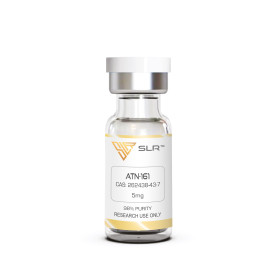
ATN-161- 5mg, 60mg
€56.00
Tax excluded
IN-STOCK
favorite_border favorite
ATN-161 is a synthetic pentapeptide used in preclinical research models to study integrin–extracellular matrix interactions, particularly those involving fibronectin binding. In in vitro systems and animal studies, modulation of these interactions has been employed to investigate cell adhesion, migration, angiogenesis-related signaling, and tissue remodeling mechanisms under experimental conditions.
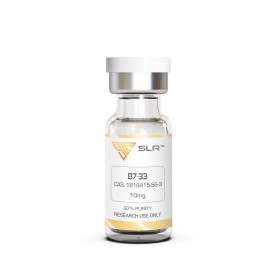
B7-33 - 10mg
€115.00
Tax excluded
IN-STOCK
favorite_border favorite
B7-33 peptide 10mg – synthetic research-grade peptide, supplied as lyophilized powder for laboratory research. B7-33 has been investigated in preclinical research models related to fibrotic tissue remodeling, vascular and endothelial signaling, cardiac injury, and pulmonary inflammation.
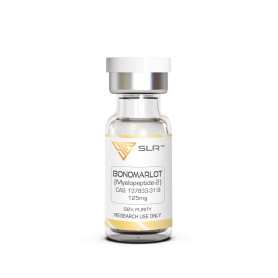
BONOMARLOT (Myelopeptide-2) - 125mg
€248.00
Tax excluded
IN-STOCK
favorite_border favorite
Summary Bonomarlot, also known as Myelopeptide-2 (MP-2), is a synthetic hexapeptide derived from bone marrow peptides and studied for its immunomodulatory properties in experimental settings. It has demonstrated the ability to restore T-lymphocyte proliferation and normalize key surface markers such as CD3 and CD4 under conditions of immune suppression induced by tumor-derived factors. These effects suggest a role in supporting cellular signaling pathways involved in T-cell activation and functional recovery. Due to its small size and hydrophobic composition, MP-2 may interact efficiently with cellular membranes and protein interfaces, contributing to its biological activity. Current data are limited to preclinical research models, where MP-2 is used as a tool to investigate immune regulation, cellular recovery mechanisms, and tumor-associated immunosuppression.
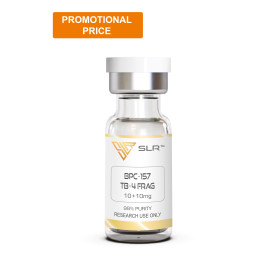
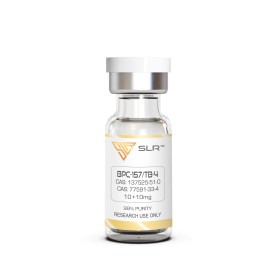
BPC-157 + TB-4 FRAG - 10+10mg, 30+30mg
€49.00
Tax excluded
Promotional price while stocks last.
favorite_border favorite
BPC-157 is a 15-amino-acid synthetic peptide used in preclinical research models to investigate cellular repair mechanisms, extracellular matrix dynamics, vascular signaling, and tissue stress responses. In in vitro systems and animal studies, BPC-157 has been explored for its involvement in pathways related to fibroblast activity, angiogenesis, nitric oxide-associated signaling, coagulation-related processes, immune modulation, and gene expression regulation under experimental conditions. Thymosin Beta-4 Fragment is a short peptide derived from the active region of Thymosin Beta-4, commonly employed in preclinical research to investigate actin-regulated cell migration, angiogenesis, inflammatory modulation, and tissue remodeling mechanisms. In experimental models, it has been studied for its involvement in wound-related cellular dynamics, oxidative stress responses, and regeneration-associated signaling pathways.
BPC-157 + THYMOSIN B-4 (43aa) - 10+10mg
€115.00
Tax excluded
IN-STOCK
favorite_border favorite
BPC-157 is a 15-amino-acid synthetic peptide used in preclinical research models to investigate cellular repair mechanisms, extracellular matrix dynamics, vascular signaling, and tissue stress responses. In in vitro systems and animal studies, BPC-157 has been explored for its involvement in pathways related to fibroblast activity, angiogenesis, nitric oxide-associated signaling, coagulation-related processes, immune modulation, and gene expression regulation under experimental conditions. Thymosin Beta-4 is a 43-amino-acid peptide widely used in preclinical experimental systems to study actin-mediated cell migration, angiogenesis, inflammatory signaling, and tissue remodeling processes. In laboratory and animal models, Thymosin Beta-4 has been investigated for its role in wound-associated cell dynamics, oxidative stress responses, and regeneration-related signaling pathways. 
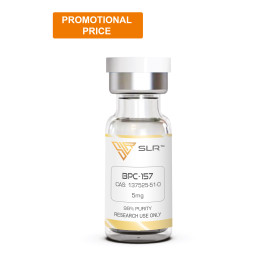
BPC-157 - 5mg, 10mg
€24.00
Tax excluded
Promotional price while stocks last.
favorite_border favorite
BPC-157 is a 15-amino-acid synthetic peptide used in preclinical research models to investigate cellular repair mechanisms, extracellular matrix dynamics, vascular signaling, and tissue stress responses. In in vitro systems and animal studies, BPC-157 has been explored for its involvement in pathways related to fibroblast activity, angiogenesis, nitric oxide-associated signaling, coagulation-related processes, immune modulation, and gene expression regulation under experimental conditions.
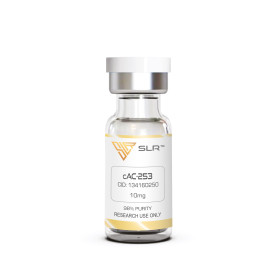
cAC-253 - 10mg
€376.00
Tax excluded
IN-STOCK
favorite_border favorite
cAC-253 is a disulfide-cyclized research peptide used in preclinical experimental models to investigate amylin receptor–mediated signaling under conditions of amyloid-associated cellular stress. In in vitro systems and animal studies, cAC-253 has been explored for its effects on synaptic function, learning- and memory-related signaling pathways, amyloid-associated biochemical markers, and neuroinflammatory responses, providing a tool for mechanistic research into receptor-specific pathways involved in synaptic integrity.
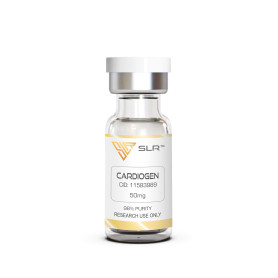
CARDIOGEN - 50mg
€146.00
Tax excluded
IN-STOCK
favorite_border favorite
Cardiogen is a short synthetic peptide used in preclinical research models to study fibroblast-associated signaling and tissue remodeling mechanisms. In in vitro systems and animal studies, it has been investigated for its role in regulating cellular processes involved in extracellular matrix organization and scar-related responses under experimental conditions.
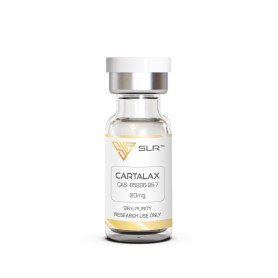
CARTALAX - 20mg
€58.00
Tax excluded
IN-STOCK
favorite_border favorite
Cartalax is a synthetic short bioregulatory tripeptide composed of Alanine, Glutamic Acid, and Aspartic Acid (Ala-Glu-Asp). It has been investigated in preclinical research for its potential role in regulating chondrocyte activity, maintaining extracellular matrix homeostasis, and supporting cartilage biology. Experimental studies suggest that Cartalax may influence gene expression and protein synthesis involved in connective tissue maintenance rather than acting as a structural replacement for cartilage components. Ongoing research explores its relevance in models of cartilage aging, extracellular matrix remodeling, and musculoskeletal tissue regulation. All available data are derived from laboratory and preclinical investigations, and further independent studies are required to fully characterize its biological mechanisms and potential applications.
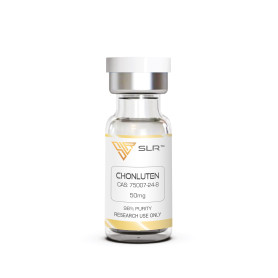
CHONLUTEN - 50mg
€109.00
Tax excluded
IN-STOCK
favorite_border favorite
Chonluten has been explored in relation to the regulation of pulmonary mucosa, gene networks involved in inflammatory and antioxidant processes, and tissue adaptation mechanisms across a broad range of acute and chronic respiratory and systemic stress conditions, of both infectious and non-infectious origin, including age-associated functional decline. Experimental findings indicate a predominant activity within pulmonary tissue, with secondary involvement observed in the gastrointestinal tract. Specifically, Chonluten has been studied in preclinical research contexts involving: post-infectious pulmonary recovery states chronic cardiopulmonary functional impairment persistent respiratory dysfunction recovery phases following prolonged mechanical ventilation long-term pulmonary adaptation after remission of granulomatous conditions acute respiratory distress and hypoxia-associated states high physiological load and exercise-related respiratory stress maintenance of respiratory function in ageing biological systems inflammation-driven pulmonary mucosal dysregulation inflammatory states and alterations of the gastrointestinal mucosa
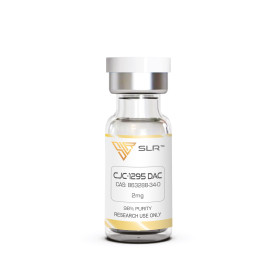
CJC-1295 + DAC - 2mg
€27.00
Tax excluded
IN-STOCK
favorite_border favorite
CJC-1295 is a synthetic analogue of growth hormone–releasing hormone (GHRH) investigated in preclinical research for its involvement in growth hormone– and insulin-like growth factor 1 (IGF-1)–associated signaling pathways. Experimental studies have examined how incorporation of a Drug Affinity Complex (DAC) may extend the peptide’s plasma persistence, allowing prolonged observation of GH–IGF axis dynamics under controlled laboratory conditions. In preclinical experimental settings, CJC-1295 has been explored in relation to: – protein synthesis–associated anabolic signaling– lipid metabolism and body composition–related biochemical pathways
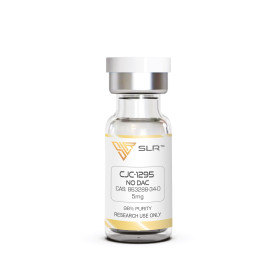
CJC-1295 NO DAC - Mod GRF (1-29) - 5mg
€25.00
Tax excluded
IN-STOCK
favorite_border favorite
Modified GRF is a truncated peptide analogue of growth hormone–releasing hormone (GHRH) investigated in preclinical research for its involvement in GHRH-mediated signaling pathways. In experimental settings, Modified GRF has been explored in relation to: – muscle repair– and growth-associated cellular signaling – wound-associated tissue remodeling processes – bone metabolism and structural signaling pathways – lipid metabolism and fat-oxidation–related biochemical pathways – metabolic regulation–associated signaling networks – glucose homeostasis– and immune-related regulatory pathways
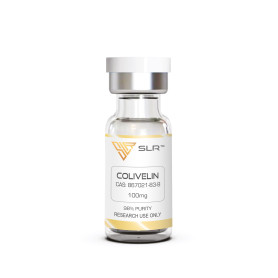
COLIVELIN - 100mg
€490.00
Tax excluded
IN-STOCK
favorite_border favorite
Colivelin is a humanin-family peptide that has been extensively investigated in preclinical research models for its involvement in neuronal stress-response pathways. Experimental studies conducted in vitro and in vivo indicate that Colivelin may influence mechanisms associated with amyloid-related aggregation processes, neuronal apoptosis, and synaptic plasticity regulation under neurodegenerative conditions.   
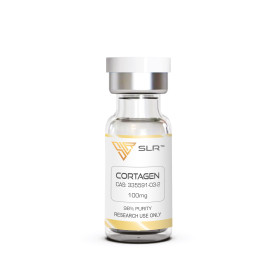
CORTAGEN -100mg
€189.00
Tax excluded
IN-STOCK
favorite_border favorite
Cortagen has been investigated in preclinical and exploratory research settings for its potential involvement in brain reparative processes, cerebroprotective responses, and nootropic-like activity, within experimental models of cerebral stress and degeneration. Research literature has explored Cortagen in relation to the following neurobiological contexts: Cerebral lesion and injury models Neurodegenerative and dementing process models, including protein-aggregation and vascular-associated degeneration Extrapyramidal and movement-disorder research models Spinal and cerebellar system dysfunction models Central nervous system involvement in immune-mediated and inflammatory conditions Motor impairment and hemiplegia-related models Paralytic and neuromuscular dysfunction models Cerebral involvement in bacterial meningeal inflammation models Hemorrhagic cerebral stress models Transient and persistent cerebral ischemia models 
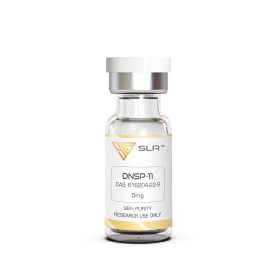
DNSP-11 - 5mg
€68.00
Tax excluded
IN-STOCK
favorite_border favorite
DNSP-11 is a short amidated peptide derived from the proGDNF domain that has been investigated in preclinical research models for its neurotrophic-like activity within dopaminergic systems. Experimental studies conducted in vitro and in vivo suggest that DNSP-11 may support dopaminergic neuron resilience, neuroadaptive responses, and neuronal survival mechanisms under conditions of neurodegenerative stress.DNSP-11 has been explored in research contexts related to:Dopaminergic neuron degeneration modelsNigrostriatal system dysfunctionNeuroprotective and neurorestorative pathwaysModulation of dopamine and dopamine metabolite levelsMotor asymmetry and behavioral outcome modelsNeuronal survival and anti-apoptotic signalingNeurite outgrowth and neuronal differentiationToxin-induced neurodegeneration models
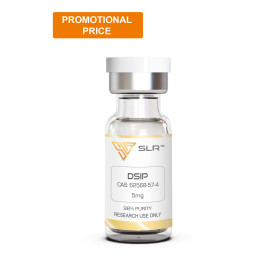
DSIP - 5mg, 10mg
€21.00
Tax excluded
Promotional price while stocks last.
favorite_border favorite
Delta sleep-inducing peptide (DSIP) is a neuropeptide that has been investigated in experimental and preclinical research settings for its involvement in the regulation of multiple endocrine and physiological processes, particularly those related to sleep–wake modulation and adaptive stress responses. Experimental studies suggest that DSIP may be associated with: Modulation of sleep-related physiological processes Regulation of sleep quality under conditions of chronic sleep disruption Adaptive responses to physiological and psychological stress Influence on autonomic and cardiovascular regulatory parameters Modulation of pain-related sensory processing
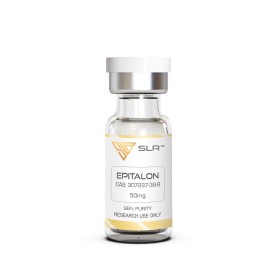
EPITALON - 50mg, 100mg
€59.00
Tax excluded
IN-STOCK
favorite_border favorite
Epitalon stimulates the renewal of the whole body, beginning with the inside organs and working its way outward to the skin. It demonstrates a variety of bioactivities, including the following: Improving ocular retina condition in retinitis pigmentosa Anti-aging by activating chromatin in old age Anticancer and antitumour metastatic effects Activation telomerase Elongation of telomeres Survival of cells, resistance to stress and oxidative changes Balancing of endocrine secretion, improvement pineal gland function and increases the release of melatonin Decreased cortisol levels Increased antioxidant enzymes Increased brain health  
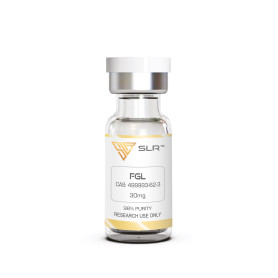
FGL - 30mg
€189.00
Tax excluded
IN-STOCK
favorite_border favorite
FGL has been investigated in experimental and preclinical research settings for its role in supporting synapse formation between neurons, a process associated with synaptic plasticity and structural neuronal adaptation. Increased activity-dependent synaptic communication observed in research models suggests that FGL may contribute to information encoding mechanisms underlying learning and memory-related processes. According to experimental studies, FGL has been explored in relation to the following neurobiological contexts: Neuroprotective mechanisms in neuronal stress models Modulation of cognitive performance parameters in experimental systems Neural recovery and adaptation following traumatic brain injury models Protection against experimentally induced neurotoxic stress Memory-related processes in learning paradigms Learning-associated synaptic plasticity mechanisms Neurodegenerative and cognitive decline research models Modulation of neuroinflammatory signaling in central nervous system models Regulation of mood-related behavioral parameters in experimental settings Activity-dependent enhancement of excitatory synaptic transmission