Active filters

MELANOTAN 1 - 10mg
€31.00
Tax excluded
IN-STOCK
favorite_border favorite
Melanotan 1 is a synthetic peptide originally developed as an analog of alpha-melanocyte-stimulating hormone (α-MSH) to study sunless pigmentation mechanisms. Subsequent experimental and preclinical research has shown that Melanotan 1 interacts with multiple melanocortin pathways, resulting in a range of physiological effects beyond skin pigmentation. These include modulation of signaling pathways involved in cardiovascular regulation, appetite and energy balance, and central nervous system function. Ongoing research continues to explore the broader biological roles of Melanotan 1 across multiple physiological systems.
MELANOTAN 2 - 10mg
€28.00
Tax excluded
IN-STOCK
favorite_border favorite
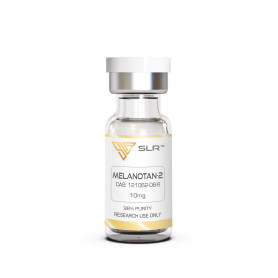
Experimental and preclinical studies suggest that Melanotan-2 is associated with several biological effects mediated through the melanocortin receptor system, including: Regulation of skin pigmentation processes related to tanning Modulation of neurobehavioral pathways linked to sexual arousal Influence on appetite control and satiety signaling Interaction with neural mechanisms involved in compulsive behavior Modulation of metabolic pathways related to glucagon signaling Effects explored in research models relevant to autism-associated traits Influence on reward and reinforcement pathways studied in addiction research
MIF-1 - 100mg
€168.00
Tax excluded
IN-STOCK
favorite_border favorite
MIF-1 (Melanocyte-Inhibiting Factor 1) has been investigated for its role in central nervous system signaling and neuronal regulation. Scientific studies have examined MIF-1 in relation to multiple biological processes associated with brain function, neurochemical balance, and cellular resilience. Research has primarily focused on MIF-1 in the context of the following areas: Neurotransmitter Modulation: Associated with the regulation of dopamine and serotonin signaling pathways involved in motor function and mood-related processes. Neuroplasticity: Linked to mechanisms that support synaptic plasticity relevant to learning and memory in experimental research. Neuroprotective Activity: Studied for its involvement in cellular pathways that help protect neurons from oxidative and inflammatory stress. Neuroregenerative Processes: Investigated for its role in mechanisms related to neuronal repair and cellular renewal in research models of neural injury. Mood-Related Signaling: Explored for its influence on neurochemical pathways associated with emotional regulation and stress responses. Cognitive Function: Associated in experimental settings with processes relevant to memory, attention, and higher-order cognitive performance. Neurodegenerative Research: Examined in studies focused on biological pathways involved in neurodegenerative conditions and age-related neural changes.
MOTS-c - 40mg
€139.00
Tax excluded
IN-STOCK
favorite_border favorite
MOTS-c is a mitochondria-derived peptide that has been widely investigated in experimental and preclinical research for its role in metabolic regulation and cellular energy balance. Scientific studies have examined MOTS-c in relation to biological pathways associated with physical performance, metabolic homeostasis, age-related processes, and systemic cellular signaling. Research has primarily focused on MOTS-c in the context of the following areas: Muscle Metabolism: Studied for its association with glucose utilization, energy handling, and metabolic adaptation in skeletal muscle. Fat Metabolism: Investigated for its involvement in adipose tissue regulation, lipid utilization, and pathways related to energy expenditure. Insulin Sensitivity: Examined in research models addressing early metabolic changes and glucose regulation mechanisms. Bone Metabolism (Osteoporosis Research): Explored for its role in pathways related to osteoblast activity, collagen production, and bone integrity. Longevity Research: Studied in relation to mitochondrial signaling, aging-associated pathways, and lifespan-related genetic variants. Heart Health: Investigated for its association with endothelial function, vascular signaling, and cardiovascular stress responses.
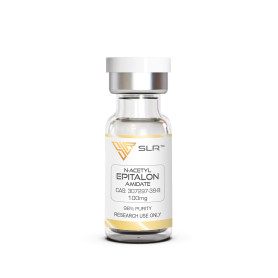
N-ACETYL EPITALON AMIDATE - 100mg
€169.00
Tax excluded
IN-STOCK
favorite_border favorite
Note: Due to N-acetylation and amidation, the peptide exhibits reduced polarity, which may result in lower water solubility compared to unmodified Epitalon.N-Acetyl Epitalon Amidate is a synthetically modified derivative of Epitalon (epithalamin), obtained through N-acetylation and C-terminal amidation. The acetylation and amidation modifications applied to N-acetyl Epitalon Amidate have been studied for their ability to confer enhanced molecular stability, extended half-life, and improved receptor interaction compared to the unmodified peptide. Epitalon and its modified forms have been extensively studied in relation to cellular aging processes, telomere biology, circadian regulation, and genomic stability. In particular, research has examined this peptide in the context of the following biological areas: Telomerase-related pathways Cellular stress resistance Endocrine and circadian regulation Stress hormone modulation Antioxidant activity Central nervous system function Longevity-related processes
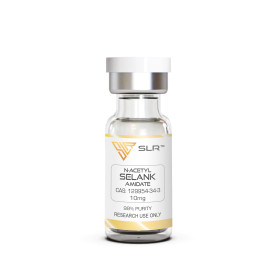
N-ACETYL SELANK AMIDATE - 10mg, 30mg, 50mg
€45.00
Tax excluded
IN-STOCK
favorite_border favorite
N-Acetyl Selank Amidate is a synthetically modified peptide that has been widely studied in experimental research for its role in neurogenic, neuroregulatory, and neurorestorative biological processes. Scientific investigations have primarily focused on its interaction with central nervous system signaling, neurochemical balance, immune-related modulation, and stress-associated pathways. Research has examined N-Acetyl Selank Amidate in relation to the following biological areas: Regulation of emotional and stress-related signaling Cognitive functions related to memory formation, information processing, and recall Modulation of attention, focus, and mental fatigue Learning-related mechanisms and adaptive cognitive responses Higher-order cortical functions, including speech, reasoning, and motor coordination Support of overall neurophysiological balance Immune-related signaling and immune system modulation Neurochemical pathways explored in alcohol withdrawal research models Regulation of monoamine neurotransmitters and serotonin metabolism Increased expression of brain-derived neurotrophic factor (BDNF) in experimental settings Modulation of T-helper cell cytokine balance and interleukin-6 (IL-6) expression Activation of interferon-related signaling pathways involved in antiviral defense
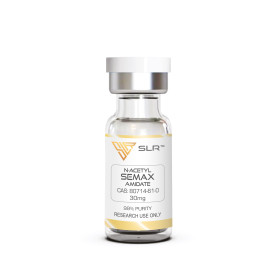
N-ACETYL SEMAX AMIDATE - 10mg, 30mg, 50mg
€45.00
Tax excluded
IN-STOCK
favorite_border favorite
N-Acetyl Semax Amidate is a synthetic peptide that has been widely investigated in experimental research for its involvement in neurogenic and neurorestorative biological processes. Scientific studies have explored its activity in relation to central nervous system signaling, cognitive performance, vascular-associated mechanisms, and immune-related pathways. Research has primarily examined N-Acetyl Semax Amidate in the context of the following biological effects: Neuroprotective pathways associated with neuronal resilience Mechanisms involved in limiting nerve damage and supporting neural integrity Cognitive functions related to memory, learning, and information processing Cardiovascular-related signaling studied in ischemic and hypoxic research models Neurobehavioral pathways relevant to attention regulation Modulation of attention and focus-related neural activity Stress- and pain-associated signaling pathways explored in experimental settings
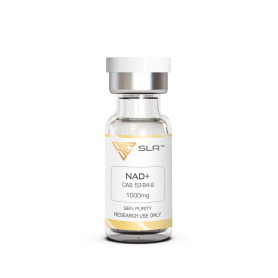
NAD+ - 1000mg
€64.90
Tax excluded
IN-STOCK
favorite_border favorite
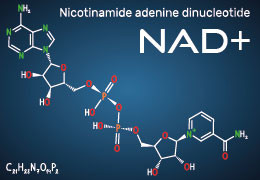
NAD⁺ (Nicotinamide Adenine Dinucleotide) is a central cellular coenzyme essential for mitochondrial energy production and redox balance. It plays a critical role in oxidative phosphorylation, ATP synthesis, and metabolic regulation. NAD⁺ also functions as a substrate for sirtuins and PARP enzymes, contributing to DNA repair, cellular stress resistance, and longevity-associated pathways. Due to its involvement in bioenergetics and cellular resilience, NAD⁺ is widely studied in mitochondrial function, metabolic regulation, and age-related biological processes
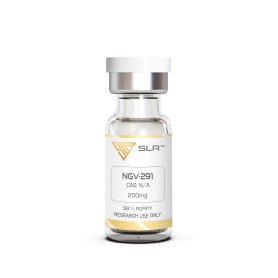
NGV-291 - 200mg
€895.00
Tax excluded
Custom Synthesis ✦ Production Time: 3+ Weeks
favorite_border favorite
NGV-291 is a synthetic research peptide investigated for its potential interaction with pathways involved in neuronal signaling, tissue regeneration, and cellular adaptation. Experimental studies focus on its ability to modulate signaling environments that influence cell growth, structural remodeling, and communication between cells, particularly within the nervous system. By targeting mechanisms related to cellular repair and extracellular matrix dynamics, NGV-291 is explored in research contexts examining neural plasticity, tissue recovery, and response to cellular stress. Its relevance lies in its potential to influence multiple interconnected biological processes rather than a single isolated pathway.
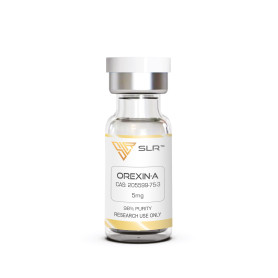
OREXIN A - 5mg
€120.00
Tax excluded
Temporarily unavailable
favorite_border favorite
Orexin-A is a neuropeptide that has been extensively studied for its role in the regulation of wakefulness and arousal. Research has also explored its involvement in pathways related to appetite regulation, locomotor activity, and autonomic nervous system signaling, including modulation of sympathetic tone. These findings highlight the importance of Orexin-A in maintaining physiological balance across sleep–wake cycles and energy-related processes.
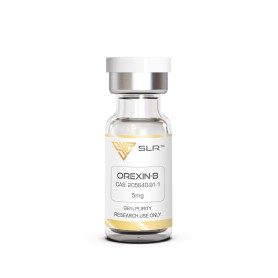
OREXIN B - 5mg
€120.00
Tax excluded
IN-STOCK
favorite_border favorite
Research indicates that Orexin-B is a neuropeptide involved in the regulation of wakefulness and arousal. It has been studied for its role in appetite-related signaling, locomotor activity, and modulation of sympathetic nervous system tone. Through its interactions with orexin receptors, Orexin-B contributes to neural pathways associated with vigilance, energy balance, and autonomic regulation.
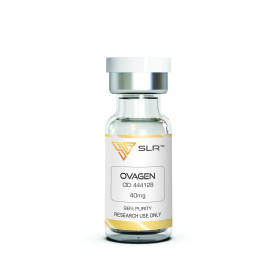
OVAGEN - 40mg
€119.00
Tax excluded
IN-STOCK
favorite_border favorite
Ovagen is a bioregulatory peptide that has been studied for its role in supporting gastrointestinal mucosal integrity and maintaining normal liver tissue structure. Research suggests it may help protect the gastrointestinal mucosal layer from stressors such as antibiotics, toxins, and anti-inflammatory agents, while also being associated with reduced fibrotic processes in liver tissue. Ongoing experimental studies are further evaluating Ovagen’s interaction with mechanisms involved in HIV viral replication.
OXYTOCIN - 10mg
€34.00
Tax excluded
IN-STOCK
favorite_border favorite
Oxytocin is a multifunctional peptide hormone and neuropeptide involved in a wide range of physiological and psychological processes. Synthesized in the hypothalamus and released by the posterior pituitary gland, it acts both peripherally and within the central nervous system. Research has associated oxytocin with the following effects:Exhibits anti-inflammatory properties that support wound healing and tissue regenerationEnhances trust, empathy, and social recognition involved in interpersonal bondingImproves recognition of emotional expressions, supporting effective social communicationModulates neurotransmitter systems such as dopamine and serotonin, contributing to mood balance and stress reductionHas been investigated for potential roles in reducing symptoms associated with anxiety and depressive statesContributes to sexual receptivity and reproductive behaviors in both men and womenReduces activity of the amygdala, which is associated with fear and anxiety responsesInduces uterine contractions during labor and mediates milk ejection during breastfeeding
P-21 - 50mg
€249.00
Tax excluded
IN-STOCK
favorite_border favorite
INDEPENDENTLY TESTED • VERIFIED QUALITY ✓ Purity — HPLC analysis ✓ Identity — Mass spectrometry ✓ Net content  VERIFY COA AT FREEDOM DIAGNOSTICS → Enter search code: Suaw2605040576Research indicates that P21 is associated with increased levels of brain-derived neurotrophic factor (BDNF), a key molecule involved in neuronal development and synaptic plasticity. BDNF is linked to enhanced neurogenesis and has been shown in experimental models to modulate biological pathways related to amyloid plaque and tau protein formation, both of which are characteristic features of Alzheimer’s disease pathology. In addition, multiple studies suggest that P21 supports learning processes and cognitive performance by promoting neuroplastic mechanisms and maintaining synaptic function in the central nervous system.
PE-22-28 - 5mg
€29.00
Tax excluded
Promotional price while stocks last
favorite_border favorite
PE-22-28 is a synthetic derivative of the naturally occurring peptide spadin that targets the TREK-1 channel. Since TREK-1 is found in brain regions that govern mood, memory, and learning, PE-22-28 was designed with the goal of being a potential treatment candidate for depression and a powerful stimulator of neurogenesis and synaptogenesis in the hippocampus. PE-22-28 is currently being researched for several applications, including: Antidepressant activity Enhancement of memory and learning Support for stroke recovery Potential roles in addressing neurodegenerative diseases such as Alzheimer’s Promotion of neurogenesis
PEG MGF - 5mg
€68.00
Tax excluded
IN-STOCK
favorite_border favorite
Pegylated Mechano Growth Factor (PEG-MGF) is a modified splice variant related to insulin-like growth factor-1    (IGF-1). In experimental research settings, PEG-MGF has been studied for its role in supporting myoblast division and facilitating the fusion and maturation of muscle fibers. Pegylation enhances the peptide’s stability and circulating half-life, allowing prolonged biological activity compared to non-pegylated MGF. Based on preclinical and experimental studies, PEG-MGF has been investigated in relation to the following biological processes: Support of muscle tissue remodeling Stimulation of new muscle cell formation Neuroprotective mechanisms in experimental models Cardioprotective pathways associated with cellular survival Processes involved in wound healing and tissue regeneration Bone repair and osteogenic activity in injury models Regulation of body fat metabolism and lipid-related markers Modulation of immune-related cellular responses
PHDP5+TAT (44-57) - 100mg
€1,780.00
Tax excluded
IN-STOCK
favorite_border favorite
PHDP5 + TAT (44–57) is a synthetic peptide construct designed for advanced Alzheimer’s disease research, combining the PHDP5 sequence with a TAT cell-penetrating domain to enhance brain delivery and intracellular uptake. In preclinical Alzheimer’s disease models, PHDP5 has been reported to rescue learning and memory loss in Alzheimer’s disease, restoring cognitive performance to levels comparable to healthy controls. The mechanism is associated with inhibition of the pathological dynamin–microtubule interaction induced by tau, leading to recovery of synaptic vesicle endocytosis and neuronal communication. The addition of TAT (44–57) enables efficient penetration into brain tissue, including the hippocampus, following intranasal administration. While the peptide demonstrates strong effects on synaptic function and cognitive deficits in experimental Alzheimer’s models, its activity is primarily linked to tau-related dysfunction rather than direct amyloid plaque removal.
PINEALON - 100mg
€245.00
Tax excluded
IN-STOCK
favorite_border favorite
Most peptides exert their biological effects by interacting with cell surface or intracellular receptors. However, a limited number of peptides are capable of binding directly to DNA, thereby influencing fundamental biological processes at the level of gene regulation. Pinealon is one of these bioregulatory peptides. It has demonstrated neuroprotective properties and is considered a promising candidate for research focused on the modulation and management of various neurological conditions. Pinealon is known to affect the central nervous system by influencing behavior while also protecting neurons and other cell types from oxidative damage. One of the most notable characteristics of Pinealon is its ability to cross the cellular membrane, nuclear membrane, and the blood–brain barrier. This unique property helps explain its capacity to interact directly with DNA and regulate gene expression. Pinealon has been associated in research with potential applications including: Anti-aging effects Neuronal protection Modulation of depressive pathways Research into neurological disorders such as Alzheimer’s disease and Parkinson’s disease Memory enhancement Regulation of sleep and circadian rhythms
PNC-27 - 5mg
€58.00
Tax excluded
IN-STOCK
favorite_border favorite
PNC-27 is a synthetic research peptide studied for its selective activity against malignant cells. It is designed to bind to HDM-2, a protein that is abnormally expressed on the membranes of many cancer cells and is known to interact with the p53 tumor suppressor pathway. Experimental research indicates that PNC-27 can selectively induce cancer cell death by disrupting the integrity of the cancer cell membrane through a process known as membranolysis, while showing minimal interaction with non-cancerous cells.
PNC-28 - 5mg
€135.00
Tax excluded
IN-STOCK
favorite_border favorite
PNC-28 is a synthetic peptide derived from the p53 protein, specifically from its MDM2-binding domain, and engineered with a penetratin sequence to enable efficient cellular uptake. It is studied for its ability to interact with dysregulated cellular pathways commonly found in transformed cells, particularly involving the MDM2 regulatory system. In experimental models, PNC-28 has been associated with the induction of non-apoptotic cell death mechanisms, characterized by loss of membrane integrity rather than classical programmed cell death. This feature makes it of particular interest in research settings where resistance to apoptosis is observed. Due to its unique mechanism and intracellular activity, PNC-28 is primarily used as a research tool in studies related to tumor biology, cellular stress responses, and alternative cell death pathways.
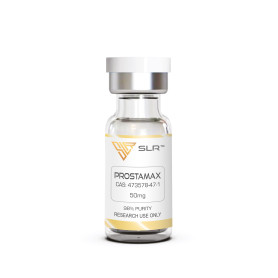
PROSTAMAX - 50mg
€128.00
Tax excluded
IN-STOCK
favorite_border favorite
Prostamax is a prostate-derived bioregulatory peptide that has been investigated in experimental models of chronic aseptic prostate inflammation. Research data indicate that Prostamax is associated with a reduction in inflammatory markers, modulation of tissue remodeling processes, and prevention of fibrotic and atrophic changes within prostate tissue in animal-based studies. Additionally, experimental observations suggest an influence on functional activity parameters in studied models. Comparative research has shown that Prostamax demonstrates a broader and more sustained biological activity in prostate-focused experimental systems when compared with other commonly used prostatotropic research compounds of peptide origin.
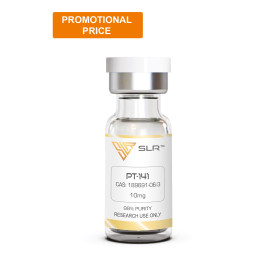
PT-141 - 10mg
€27.00
Tax excluded
Promotional price while stocks last
favorite_border favorite
Bremelanotide, also known as PT-141, is a synthetic peptide structurally related to alpha-MSH and melanocortin signaling molecules. It acts as an agonist of the MC3R and MC4R melanocortin receptors, which are involved in central nervous system pathways regulating motivation and arousal. By activating these receptors, PT-141 stimulates hypothalamic and related brain regions associated with sexual interest and behavioral response. Research indicates that its activity is centrally mediated rather than dependent on peripheral vascular mechanisms. While initially explored for sexual function in both men and women, scientific studies have shown particular relevance in premenopausal women experiencing conditions related to reduced sexual desire or arousal. According to research observations, PT-141 (Bremelanotide) has been associated with: Increased sexual desire and libido Higher frequency of sexual activity Support of erectile response in men with erectile dysfunction or impotence Potential benefit in premenopausal women with hypoactive sexual desire disorder Support in female sexual arousal–related dysfunctions Increased subjective energy and vitality levels
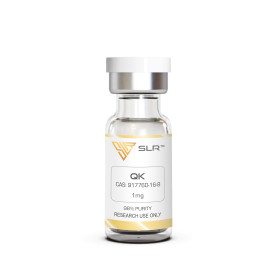
QK - 1mg
€85.00
Tax excluded
IN-STOCK
favorite_border favorite
QK is a synthetic peptide designed to mimic the activity of Vascular Endothelial Growth Factor (VEGF), one of the primary regulators of angiogenesis (the formation of new blood vessels). Unlike full-length VEGF, QK is a smaller and more stable molecule that retains the ability to bind endothelial receptors (particularly VEGFR-1), activating key biological pathways involved in vascular growth. Its primary effect is the stimulation of angiogenesis, through: endothelial cell proliferation and migration formation of new capillary structures improvement of microcirculation These properties make QK highly relevant in research related to: tissue regeneration wound healing ischemic conditions (reduced blood flow) endothelial function and vascular health In summary, QK is a targeted angiogenic mimetic, useful for studying controlled vascular growth in experimental settings, offering improved stability and control compared to natural VEGF.
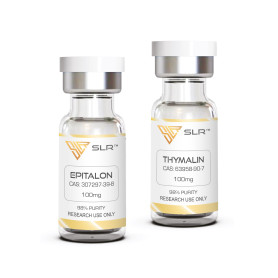
REJUV RESEARCH 1
€232.00
Tax excluded
IN-STOCK
favorite_border favorite
TELOMERE / IMMUNE MODULATION   Epitalon - 100mg + Thymalin - 100mg. Epitalon + Thymalin (Telomere / Immune Modulation) is a research peptide combination studied for its potential role in cellular aging pathways and immune system regulation. Epitalon has been widely investigated in relation to telomere biology, circadian rhythm signaling, and cellular homeostasis, while Thymalin has been explored for its involvement in immune modulation, thymic activity, and inflammation-related mechanisms. Together, this blend is primarily researched for its potential relevance in longevity-related cellular processes and support of immune function during aging.