Musculoskeletal

Active filters

AOD9604 - 5mg
€34.00
Tax excluded
IN-STOCK
favorite_border favorite
AOD9604 is a synthetic peptide derived from the C-terminal fragment (176–191) of human growth hormone (hGH), incorporating a disulfide bridge for structural stability. It is used in preclinical research models to investigate lipid metabolism, adipose tissue regulation, and related metabolic pathways, including experimental effects on lipolysis and lipogenesis. In animal and in vitro studies, AOD9604 has also been explored in research contexts involving metabolic, cardiometabolic, and musculoskeletal biology, including experimental models of bone and cartilage tissue remodeling, alone or in combination with other research peptides.  
ARA-290 - 10ml/40mg - Spray
€138.00
Tax excluded
IN-STOCK
favorite_border favorite
ARA-290 has been investigated in preclinical and experimental research models designed to study inflammatory, metabolic, vascular, and neurobiological mechanisms relevant to the following disease-related research contexts: Cardiovascular-related experimental modelsRetinal ischemia and microvascular injury models Peripheral nerve injury and neuropathy models Small fiber nerve degeneration models Chronic inflammatory joint disease models Renal inflammation and metabolic stress models Hepatic lipid accumulation and inflammatory liver models Intestinal inflammation models Systemic autoimmune and immune dysregulation models Wound healing and tissue repair models  FRESHLY PREPARED SOLUTION 
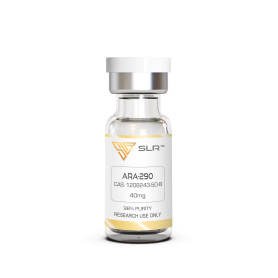
ARA-290 - 40mg
€115.00
Tax excluded
IN-STOCK
favorite_border favorite
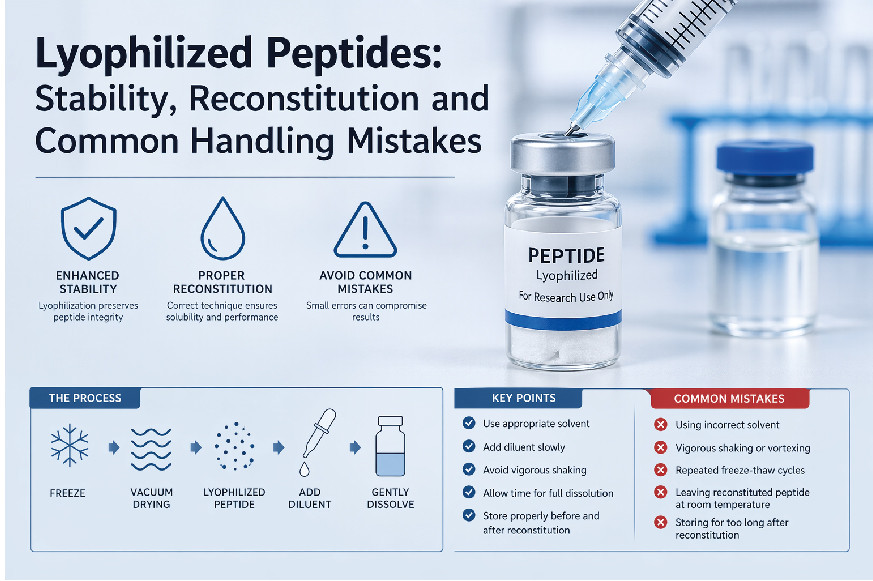
Reconstitution Note ARA-290 is supplied in a PBS-buffered formulation (Phosphate Buffered Saline). Due to its amphipathic nature, the peptide may exhibit self-association, leading to increased viscosity or gel-like behavior during or after reconstitution. To reduce gelification risk: use adequate solvent volume (avoid high concentrations), mix gently, allow equilibration at room temperature, and apply slight warming if needed. Check solvent pH and adjust with buffer (e.g., PBS) if required. Prepare fresh solutions and avoid prolonged storage. These behaviors are not uncommon for amphipathic peptides and do not necessarily indicate product instability or degradation.ARA-290 has been investigated in preclinical and experimental research models designed to study inflammatory, metabolic, vascular, and neurobiological mechanisms relevant to the following disease-related research contexts: Cardiovascular-related experimental modelsRetinal ischemia and microvascular injury models Peripheral nerve injury and neuropathy models Small fiber nerve degeneration models Chronic inflammatory joint disease models Renal inflammation and metabolic stress models Hepatic lipid accumulation and inflammatory liver models Intestinal inflammation models Systemic autoimmune and immune dysregulation models Wound healing and tissue repair models 
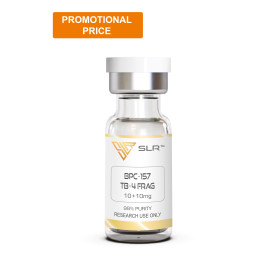
BPC-157 + TB-4 FRAG - 10+10mg, 30+30mg
€49.00
Tax excluded
Promotional price while stocks last.
favorite_border favorite
BPC-157 is a 15-amino-acid synthetic peptide used in preclinical research models to investigate cellular repair mechanisms, extracellular matrix dynamics, vascular signaling, and tissue stress responses. In in vitro systems and animal studies, BPC-157 has been explored for its involvement in pathways related to fibroblast activity, angiogenesis, nitric oxide-associated signaling, coagulation-related processes, immune modulation, and gene expression regulation under experimental conditions. Thymosin Beta-4 Fragment is a short peptide derived from the active region of Thymosin Beta-4, commonly employed in preclinical research to investigate actin-regulated cell migration, angiogenesis, inflammatory modulation, and tissue remodeling mechanisms. In experimental models, it has been studied for its involvement in wound-related cellular dynamics, oxidative stress responses, and regeneration-associated signaling pathways.
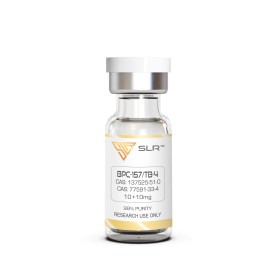
BPC-157 + THYMOSIN B-4 (43aa) - 10+10mg
€115.00
Tax excluded
IN-STOCK
favorite_border favorite
BPC-157 is a 15-amino-acid synthetic peptide used in preclinical research models to investigate cellular repair mechanisms, extracellular matrix dynamics, vascular signaling, and tissue stress responses. In in vitro systems and animal studies, BPC-157 has been explored for its involvement in pathways related to fibroblast activity, angiogenesis, nitric oxide-associated signaling, coagulation-related processes, immune modulation, and gene expression regulation under experimental conditions. Thymosin Beta-4 is a 43-amino-acid peptide widely used in preclinical experimental systems to study actin-mediated cell migration, angiogenesis, inflammatory signaling, and tissue remodeling processes. In laboratory and animal models, Thymosin Beta-4 has been investigated for its role in wound-associated cell dynamics, oxidative stress responses, and regeneration-related signaling pathways. 
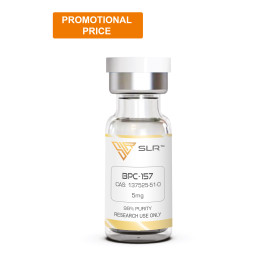
BPC-157 - 5mg, 10mg
€24.00
Tax excluded
Promotional price while stocks last.
favorite_border favorite
BPC-157 is a 15-amino-acid synthetic peptide used in preclinical research models to investigate cellular repair mechanisms, extracellular matrix dynamics, vascular signaling, and tissue stress responses. In in vitro systems and animal studies, BPC-157 has been explored for its involvement in pathways related to fibroblast activity, angiogenesis, nitric oxide-associated signaling, coagulation-related processes, immune modulation, and gene expression regulation under experimental conditions.
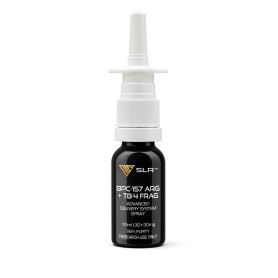
BPC-157 ARG + TB-4 FRAG - 10ml/30mg + 30mg - Spray
€149.00
Tax excluded
IN-STOCK
favorite_border favorite
BPC-157 is a 15-amino-acid synthetic peptide used in preclinical research models to investigate cellular repair mechanisms, extracellular matrix dynamics, vascular signaling, and tissue stress responses. In in vitro systems and animal studies, BPC-157 has been explored for its involvement in pathways related to fibroblast activity, angiogenesis, nitric oxide-associated signaling, coagulation-related processes, immune modulation, and gene expression regulation under experimental conditions. Thymosin Beta-4 Fragment is a short peptide derived from the active region of Thymosin Beta-4, commonly employed in preclinical research to investigate actin-regulated cell migration, angiogenesis, inflammatory modulation, and tissue remodeling mechanisms. In experimental models, it has been studied for its involvement in wound-related cellular dynamics, oxidative stress responses, and regeneration-associated signaling pathways. FRESHLY PREPARED SOLUTION 
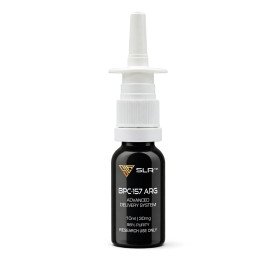
BPC-157 ARG - 10ml/30mg - Spray
€148.00
Tax excluded
IN-STOCK
favorite_border favorite
BPC-157 is a 15-amino-acid synthetic peptide used in preclinical research models to investigate cellular repair mechanisms, extracellular matrix dynamics, vascular signaling, and tissue stress responses. In in vitro systems and animal studies, BPC-157 has been explored for its involvement in pathways related to fibroblast activity, angiogenesis, nitric oxide-associated signaling, coagulation-related processes, immune modulation, and gene expression regulation under experimental conditions. FRESHLY PREPARED SOLUTION 
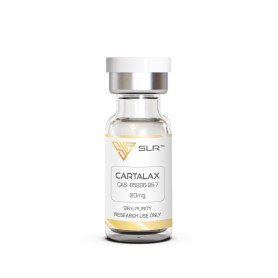
CARTALAX - 20mg
€58.00
Tax excluded
IN-STOCK
favorite_border favorite
Cartalax is a synthetic short bioregulatory tripeptide composed of Alanine, Glutamic Acid, and Aspartic Acid (Ala-Glu-Asp). It has been investigated in preclinical research for its potential role in regulating chondrocyte activity, maintaining extracellular matrix homeostasis, and supporting cartilage biology. Experimental studies suggest that Cartalax may influence gene expression and protein synthesis involved in connective tissue maintenance rather than acting as a structural replacement for cartilage components. Ongoing research explores its relevance in models of cartilage aging, extracellular matrix remodeling, and musculoskeletal tissue regulation. All available data are derived from laboratory and preclinical investigations, and further independent studies are required to fully characterize its biological mechanisms and potential applications.
CJC-1295 + DAC - 2mg
€27.00
Tax excluded
IN-STOCK
favorite_border favorite
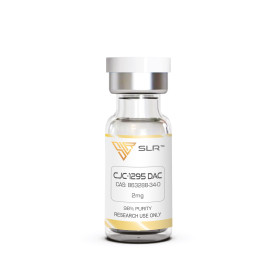
CJC-1295 is a synthetic analogue of growth hormone–releasing hormone (GHRH) investigated in preclinical research for its involvement in growth hormone– and insulin-like growth factor 1 (IGF-1)–associated signaling pathways. Experimental studies have examined how incorporation of a Drug Affinity Complex (DAC) may extend the peptide’s plasma persistence, allowing prolonged observation of GH–IGF axis dynamics under controlled laboratory conditions. In preclinical experimental settings, CJC-1295 has been explored in relation to: – protein synthesis–associated anabolic signaling– lipid metabolism and body composition–related biochemical pathways
CJC-1295 NO DAC - Mod GRF (1-29) - 5mg
€25.00
Tax excluded
IN-STOCK
favorite_border favorite
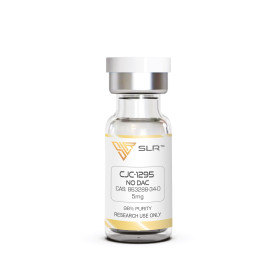
Modified GRF is a truncated peptide analogue of growth hormone–releasing hormone (GHRH) investigated in preclinical research for its involvement in GHRH-mediated signaling pathways. In experimental settings, Modified GRF has been explored in relation to: – muscle repair– and growth-associated cellular signaling – wound-associated tissue remodeling processes – bone metabolism and structural signaling pathways – lipid metabolism and fat-oxidation–related biochemical pathways – metabolic regulation–associated signaling networks – glucose homeostasis– and immune-related regulatory pathways
FOLLISTATIN-344 - 1mg
€120.00
Tax excluded
IN-STOCK
favorite_border favorite
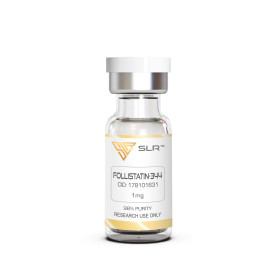
Follistatin-344 is a synthetic analogue of the naturally occurring follistatin protein. In preclinical and experimental research, it has been investigated for its interactions with signaling pathways involving myostatin, activins, and follicle-stimulating hormone (FSH). Findings from in vitro and animal studies suggest that modulation of these pathways may be associated with changes in cellular differentiation processes, tissue remodeling dynamics, and selected regulatory signaling mechanisms. These observations position Follistatin-344 as a molecule of interest in research contexts focused on tissue biology, regenerative signaling, and growth-regulatory pathways.
GDF-11 - 10ug
€119.00
Tax excluded
If the item is temporarily out of stock when you place your order, the item will automatically move to a back order status. Then, when we get that item back in stock, we will ship it to the shipping address on your account
favorite_border favorite
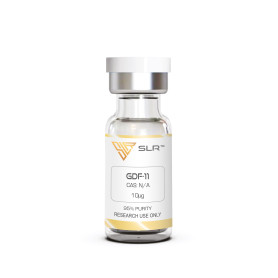
GDF11 has been shown to improve the outcomes of neurodegenerative and neurovascular diseases, increase the amount of skeletal muscle and boost muscular strength. It also has the power to reverse age-related degenerative alterations, as well as govern organ and skin regeneration following damage. These are all examples of its biological effects, which include reversing senescence.
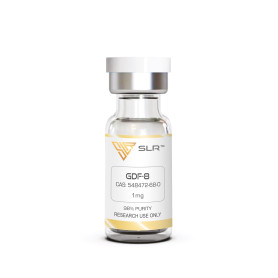
GDF-8 – 1mg
€90.00
Tax excluded
IN-STOCK
favorite_border favorite
GDF-8 is involved in the regulation of myostatin activity, a key biological factor that normally limits muscle growth and regeneration. Experimental and preclinical research indicates that modulation of this pathway influences muscle and tissue dynamics associated with repair and adaptation. According to research-based observations, GDF-8 has been associated with the following effects: Enhancement of muscular regeneration and recovery processes following injury Support of the body’s regenerative capacity at the tissue level Increase in myofiber hypertrophy in experimental models
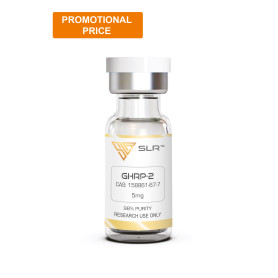
GHRP-2 - 5mg
€21.00
Tax excluded
Promotional price while stocks last
favorite_border favorite
GHRP-2 is a synthetic hexapeptide classified as a growth hormone secretagogue and a selective agonist of the ghrelin receptor (GHS-R1a). It is studied in research contexts for its interaction with receptor-mediated signaling pathways involved in endocrine regulation and pituitary-associated communication processes. Due to its targeted receptor activity, GHRP-2 remains a compound of interest in experimental models investigating signaling mechanisms related to growth hormone regulatory pathways and systemic endocrine coordination.
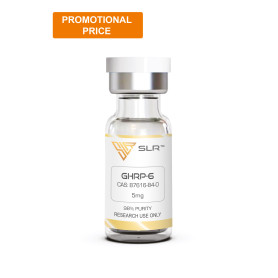
GHRP-6 - 5mg
€21.00
Tax excluded
Promotional price while stocks last
favorite_border favorite
GHRP-6 is a synthetic hexapeptide classified as a growth hormone secretagogue and a selective agonist of the ghrelin receptor (GHS-R1a). It is studied in research contexts for its interaction with receptor-mediated signaling pathways involved in endocrine regulation and neuroendocrine communication processes. Due to its well-characterized receptor activity, GHRP-6 remains a compound of interest in experimental models investigating ghrelin-related signaling and growth hormone regulatory pathways.
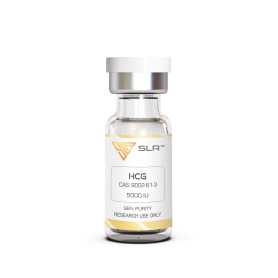
HCG - 5000 IU
€68.00
Tax excluded
IN-STOCK
favorite_border favorite
HCG is a glycoprotein hormone studied in research contexts for its role in gonadotropin-related signaling pathways and endocrine regulatory mechanisms. It is associated with receptor-mediated processes involved in hormonal communication and system-wide endocrine coordination. Due to its well-characterized structure and role in endocrine signaling, HCG remains a key compound in experimental models investigating regulatory pathways of the hypothalamic–pituitary–gonadal axis.
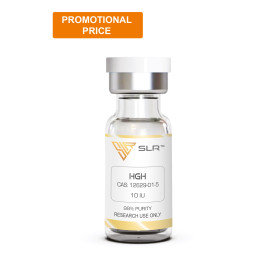
HGH (191 AA) - 10 IU
€25.00
Tax excluded
Promotional price while stocks last
favorite_border favorite
HGH (191 AA) is a recombinant peptide hormone studied in research contexts for its role in endocrine signaling and systemic physiological regulation. It is associated with complex signaling pathways involved in cellular communication, metabolic coordination, and tissue-level regulatory processes. Due to its broad receptor distribution and multi-system activity, HGH remains a key subject of investigation in experimental models exploring integrative endocrine and metabolic mechanisms.  
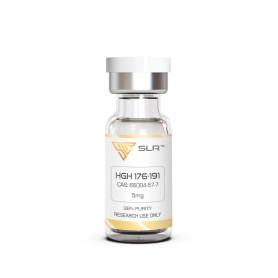
HGH FRAGMENT 176-191 - 5mg
€49.00
Tax excluded
IN-STOCK
favorite_border favorite
HGH Fragment (176–191) is a synthetic peptide derived from the C-terminal region of human growth hormone. It is studied in research contexts for its selective interaction with signaling pathways associated with lipid metabolism and energy regulation. Unlike full-length HGH, this fragment demonstrates a more targeted activity profile, making it a subject of investigation in experimental models focused on metabolic signaling and pathway-specific regulatory mechanisms.
HUMANIN G - 10ml/10mg - Spray
€158.00
Tax excluded
IN-STOCK
favorite_border favorite
Humanin is a 24–amino acid mitochondrial-derived peptide in which each residue contributes to its biological activity. A key residue is serine at position 14, which is associated with neuroprotective properties. Substitution of this amino acid with glycine results in a more potent variant known as Humanin-G (HNG). Experimental research indicates that HNG exhibits substantially enhanced biological activity compared to native Humanin and is particularly effective in preserving mitochondrial function and cellular integrity under stress conditions. In preclinical and laboratory research settings, Humanin-G has been shown to support cellular survival by limiting mitochondrial dysfunction and reducing pathways associated with programmed cell death. These properties have generated scientific interest in its role within research models of ischemic injury, neurodegenerative processes such as Alzheimer’s disease, and other conditions linked to cellular stress. Based on experimental observations, Humanin-G has been associated with: Protection against mitochondrial dysfunction in stressed cells Reduction of apoptosis-related cellular pathways Support of cellular longevity mechanisms in research models Modulation of insulin sensitivity in experimental systems Neuroprotective effects observed in models of ischemia and neurodegeneration FRESHLY PREPARED SOLUTION 
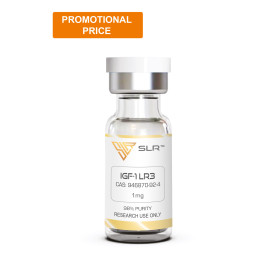
IGF-1 LR3 - 1mg
€57.00
Tax excluded
Promotional price while stocks last
favorite_border favorite
IGF-1 LR3 is a synthetic analog of insulin-like growth factor-1, designed to exhibit modified binding characteristics and extended activity in research environments. It is studied for its interaction with cellular signaling pathways involved in growth factor regulation, intercellular communication, and system-wide biological coordination. Due to its structural modifications and prolonged activity profile, IGF-1 LR3 remains a key compound in experimental models investigating complex signaling dynamics and regulatory mechanisms at the cellular level.
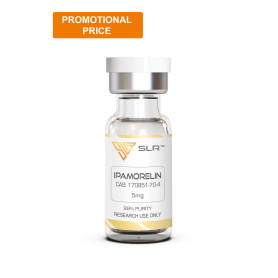
IPAMORELIN - 5mg
€22.00
Tax excluded
Promotional price while stocks last
favorite_border favorite
Ipamorelin is a synthetic pentapeptide classified as a selective growth hormone secretagogue and a ghrelin receptor (GHS-R1a) agonist. It is studied in research contexts for its interaction with receptor-mediated signaling pathways involved in endocrine regulation and pituitary-associated communication processes. Due to its selective receptor activity profile, ipamorelin remains a compound of interest in experimental models investigating growth hormone–related signaling and neuroendocrine regulatory mechanisms.