Active filters

KPV - 100mg
€240.00
Tax excluded
IN-STOCK
favorite_border favorite
KPV is a short peptide that has been extensively investigated in experimental models for its role in the modulation of inflammatory responses. Current research has focused primarily on its involvement in studies related to inflammatory bowel disease. Additional studies in wound-healing models suggest that KPV, along with other α-MSH–derived peptides, may influence tissue repair processes, inflammatory regulation, microbial control, and structural outcomes associated with healing. According to experimental and preclinical research, KPV has been studied in relation to: Inflammatory mechanisms associated with acne and cystic acne Intestinal inflammatory signaling in Crohn’s disease research models Experimental models of ulcerative colitis and irritable bowel syndrome Inflammatory skin conditions such as eczema and psoriasis Immune and inflammatory responses explored in mold- and Lyme-related models Neuroinflammatory pathways investigated in multiple sclerosis research Inflammatory conditions affecting skin and ocular tissues Airway inflammation examined in allergic asthma models Joint inflammation studied in arthritis-related research
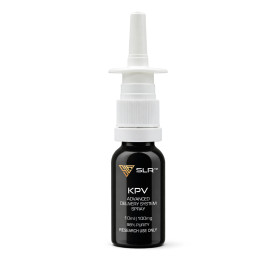
KPV - 10ml/100mg - Spray
€279.00
Tax excluded
IN-STOCK
favorite_border favorite
KPV is a short peptide that has been extensively investigated in experimental models for its role in the modulation of inflammatory responses. Current research has focused primarily on its involvement in studies related to inflammatory bowel disease. Additional studies in wound-healing models suggest that KPV, along with other α-MSH–derived peptides, may influence tissue repair processes, inflammatory regulation, microbial control, and structural outcomes associated with healing. According to experimental and preclinical research, KPV has been studied in relation to:Inflammatory mechanisms associated with acne and cystic acneIntestinal inflammatory signaling in Crohn’s disease research modelsExperimental models of ulcerative colitis and irritable bowel syndromeInflammatory skin conditions such as eczema and psoriasisImmune and inflammatory responses explored in mold- and Lyme-related modelsNeuroinflammatory pathways investigated in multiple sclerosis researchInflammatory conditions affecting skin and ocular tissuesAirway inflammation examined in allergic asthma modelsJoint inflammation studied in arthritis-related research
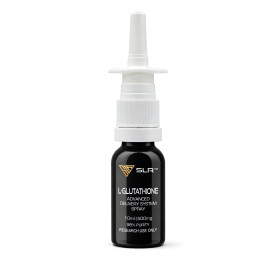
L-GLUTATHIONE - 10ml/500mg - Spray
€65.00
Tax excluded
IN-STOCK
favorite_border favorite
L-Glutathione is a naturally occurring tripeptide that has been extensively studied for its central role in cellular protection and metabolic balance. Research and experimental data indicate that L-Glutathione is associated with the following biological processes: Regulation of intracellular redox balance and antioxidant defenses Protection of cells from oxidative stress and reactive oxygen species Support of detoxification and cellular clearance pathways Modulation of immune and inflammatory signaling mechanisms Maintenance of mitochondrial function and cellular energy metabolism Preservation of protein structure and prevention of oxidative damage Involvement in cellular stress adaptation and aging-related processes FRESHLY PREPARED SOLUTION 
L-GLUTATHIONE - 1500mg
€38.00
Tax excluded
IN-STOCK
favorite_border favorite
L-Glutathione is a naturally occurring tripeptide that has been extensively studied for its central role in cellular protection and metabolic balance. Research and experimental data indicate that L-Glutathione is associated with the following biological processes: Regulation of intracellular redox balance and antioxidant defenses Protection of cells from oxidative stress and reactive oxygen species Support of detoxification and cellular clearance pathways Modulation of immune and inflammatory signaling mechanisms Maintenance of mitochondrial function and cellular energy metabolism Preservation of protein structure and prevention of oxidative damage Involvement in cellular stress adaptation and aging-related processes
L-GLUTATHIONE - 500mg
€29.00
Tax excluded
IN-STOCK
favorite_border favorite
L-Glutathione is a naturally occurring tripeptide that has been extensively studied for its central role in cellular protection and metabolic balance. Research and experimental data indicate that L-Glutathione is associated with the following biological processes: Regulation of intracellular redox balance and antioxidant defenses Protection of cells from oxidative stress and reactive oxygen species Support of detoxification and cellular clearance pathways Modulation of immune and inflammatory signaling mechanisms Maintenance of mitochondrial function and cellular energy metabolism Preservation of protein structure and prevention of oxidative damage Involvement in cellular stress adaptation and aging-related processes
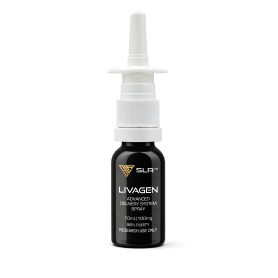
LIVAGEN - 10ml/100mg - Spray
€238.00
Tax excluded
IN-STOCK
favorite_border favorite
Livagen is a short bioregulatory peptide that has been investigated in experimental research for its influence on DNA organization and gene expression. It is primarily recognized for its association with chromatin decondensation, a process that increases DNA accessibility and has been linked to cellular profiles typically observed in younger cells. Scientific research has focused predominantly on immune system lymphocytes, where Livagen has been shown to modulate gene activity and cellular function. Through these mechanisms, Livagen has been studied for its involvement in biological processes related to immune regulation and signaling pathways associated with cardiovascular, gastrointestinal, neurological, and immune system function. Experimental findings have also explored Livagen’s role in nociception and pain-related signaling. Ongoing research continues to examine Livagen’s broader relevance in studies of aging, cellular senescence, and long-term biological regulation. FRESHLY PREPARED SOLUTION
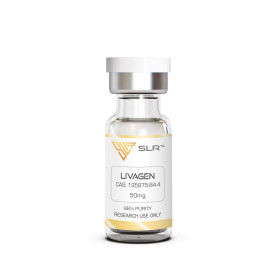
LIVAGEN - 50mg
€129.00
Tax excluded
IN-STOCK
favorite_border favorite
Livagen is a short bioregulatory peptide that has been investigated in experimental research for its influence on DNA organization and gene expression. It is primarily recognized for its association with chromatin decondensation, a process that increases DNA accessibility and has been linked to cellular profiles typically observed in younger cells. Scientific research has focused predominantly on immune system lymphocytes, where Livagen has been shown to modulate gene activity and cellular function. Through these mechanisms, Livagen has been studied for its involvement in biological processes related to immune regulation and signaling pathways associated with cardiovascular, gastrointestinal, neurological, and immune system function. Experimental findings have also explored Livagen’s role in nociception and pain-related signaling. Ongoing research continues to examine Livagen’s broader relevance in studies of aging, cellular senescence, and long-term biological regulation.
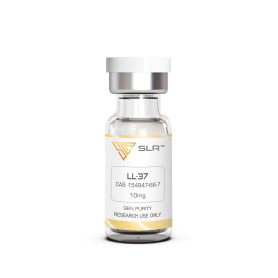
LL-37-10mg
€79.90
Tax excluded
IN-STOCK
favorite_border favorite
LL-37 is the only known human member of the cathelicidin family, a broad class of proteins commonly referred to as antimicrobial peptides (AMPs). These peptides are primarily expressed in macrophages and polymorphonuclear leukocytes, where they contribute to innate immune defense against microbial threats. Beyond their antimicrobial role, experimental research has demonstrated that LL-37 is involved in a wide range of biological processes related to immune regulation, inflammation, tissue repair, and cellular signaling. For this reason, LL-37 has been extensively studied in research models relevant to cancer biology, autoimmune mechanisms, inflammatory conditions, and wound-related processes. According to experimental research, LL-37 has been investigated in relation to: Inflammatory processes associated with rheumatoid arthritis Immune dysregulation studied in lupus models Chronic and acute inflammatory conditions Vascular inflammation relevant to atherosclerosis research Skin inflammation examined in psoriasis models Intestinal inflammation studied in colitis research Gastrointestinal inflammatory signaling in Crohn’s disease models Tissue injury and repair processes associated with ulcers Impaired wound-healing environments such as diabetic foot models Cellular and immune mechanisms explored in cancer research Broad antimicrobial activity within innate immune defense systems
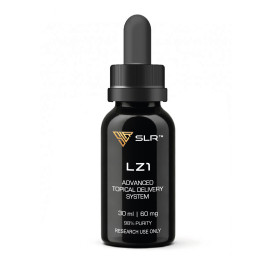
LZ1 - 30ml/60mg (Price on request)
favorite_border favorite
Made to Order Compound ✦ Price on Request. Contact us LZ1 is characterized as a 15-residue cationic antimicrobial peptide with: - Strong activity against Gram-positive skin pathogens and certain antibiotic-resistant strains - Negligible hemolytic activity and low cytotoxicity toward keratinocytes - Observed anti-inflammatory effects through modulation of TNF-α and IL-1β pathways - Documented antimalarial activity associated with inhibition of parasite energy metabolism These properties make LZ1 a relevant compound for experimental research in antimicrobial mechanisms, inflammatory signaling, and skin biology.
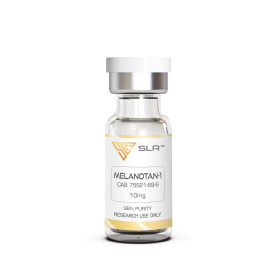
MELANOTAN 1 - 10mg
€31.00
Tax excluded
IN-STOCK
favorite_border favorite
Melanotan 1 is a synthetic peptide originally developed as an analog of alpha-melanocyte-stimulating hormone (α-MSH) to study sunless pigmentation mechanisms. Subsequent experimental and preclinical research has shown that Melanotan 1 interacts with multiple melanocortin pathways, resulting in a range of physiological effects beyond skin pigmentation. These include modulation of signaling pathways involved in cardiovascular regulation, appetite and energy balance, and central nervous system function. Ongoing research continues to explore the broader biological roles of Melanotan 1 across multiple physiological systems.
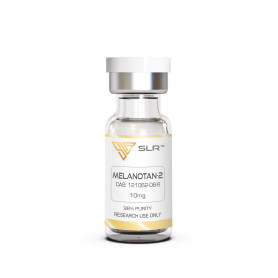
MELANOTAN 2 - 10mg
€28.00
Tax excluded
IN-STOCK
favorite_border favorite
Experimental and preclinical studies suggest that Melanotan-2 is associated with several biological effects mediated through the melanocortin receptor system, including: Regulation of skin pigmentation processes related to tanning Modulation of neurobehavioral pathways linked to sexual arousal Influence on appetite control and satiety signaling Interaction with neural mechanisms involved in compulsive behavior Modulation of metabolic pathways related to glucagon signaling Effects explored in research models relevant to autism-associated traits Influence on reward and reinforcement pathways studied in addiction research
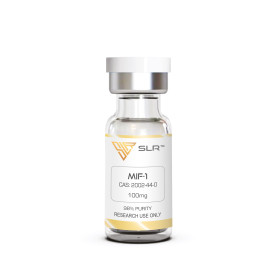
MIF-1 - 100mg
€168.00
Tax excluded
IN-STOCK
favorite_border favorite
MIF-1 (Melanocyte-Inhibiting Factor 1) has been investigated for its role in central nervous system signaling and neuronal regulation. Scientific studies have examined MIF-1 in relation to multiple biological processes associated with brain function, neurochemical balance, and cellular resilience. Research has primarily focused on MIF-1 in the context of the following areas: Neurotransmitter Modulation: Associated with the regulation of dopamine and serotonin signaling pathways involved in motor function and mood-related processes. Neuroplasticity: Linked to mechanisms that support synaptic plasticity relevant to learning and memory in experimental research. Neuroprotective Activity: Studied for its involvement in cellular pathways that help protect neurons from oxidative and inflammatory stress. Neuroregenerative Processes: Investigated for its role in mechanisms related to neuronal repair and cellular renewal in research models of neural injury. Mood-Related Signaling: Explored for its influence on neurochemical pathways associated with emotional regulation and stress responses. Cognitive Function: Associated in experimental settings with processes relevant to memory, attention, and higher-order cognitive performance. Neurodegenerative Research: Examined in studies focused on biological pathways involved in neurodegenerative conditions and age-related neural changes.
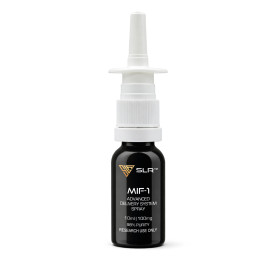
MIF-1 - 10ml/100mg - Spray
€205.00
Tax excluded
IN-STOCK
favorite_border favorite
MIF-1 (Melanocyte-Inhibiting Factor 1) has been investigated for its role in central nervous system signaling and neuronal regulation. Scientific studies have examined MIF-1 in relation to multiple biological processes associated with brain function, neurochemical balance, and cellular resilience. Research has primarily focused on MIF-1 in the context of the following areas: Neurotransmitter Modulation: Associated with the regulation of dopamine and serotonin signaling pathways involved in motor function and mood-related processes. Neuroplasticity: Linked to mechanisms that support synaptic plasticity relevant to learning and memory in experimental research. Neuroprotective Activity: Studied for its involvement in cellular pathways that help protect neurons from oxidative and inflammatory stress. Neuroregenerative Processes: Investigated for its role in mechanisms related to neuronal repair and cellular renewal in research models of neural injury. Mood-Related Signaling: Explored for its influence on neurochemical pathways associated with emotional regulation and stress responses. Cognitive Function: Associated in experimental settings with processes relevant to memory, attention, and higher-order cognitive performance. Neurodegenerative Research: Examined in studies focused on biological pathways involved in neurodegenerative conditions and age-related neural changes. FRESHLY PREPARED SOLUTION 
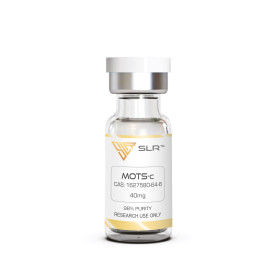
MOTS-c - 40mg
€139.00
Tax excluded
IN-STOCK
favorite_border favorite
MOTS-c is a mitochondria-derived peptide that has been widely investigated in experimental and preclinical research for its role in metabolic regulation and cellular energy balance. Scientific studies have examined MOTS-c in relation to biological pathways associated with physical performance, metabolic homeostasis, age-related processes, and systemic cellular signaling. Research has primarily focused on MOTS-c in the context of the following areas: Muscle Metabolism: Studied for its association with glucose utilization, energy handling, and metabolic adaptation in skeletal muscle. Fat Metabolism: Investigated for its involvement in adipose tissue regulation, lipid utilization, and pathways related to energy expenditure. Insulin Sensitivity: Examined in research models addressing early metabolic changes and glucose regulation mechanisms. Bone Metabolism (Osteoporosis Research): Explored for its role in pathways related to osteoblast activity, collagen production, and bone integrity. Longevity Research: Studied in relation to mitochondrial signaling, aging-associated pathways, and lifespan-related genetic variants. Heart Health: Investigated for its association with endothelial function, vascular signaling, and cardiovascular stress responses.
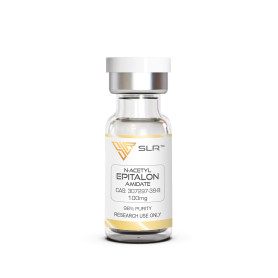
N-ACETYL EPITALON AMIDATE - 100mg
€169.00
Tax excluded
IN-STOCK
favorite_border favorite
Note: Due to N-acetylation and amidation, the peptide exhibits reduced polarity, which may result in lower water solubility compared to unmodified Epitalon.N-Acetyl Epitalon Amidate is a synthetically modified derivative of Epitalon (epithalamin), obtained through N-acetylation and C-terminal amidation. The acetylation and amidation modifications applied to N-acetyl Epitalon Amidate have been studied for their ability to confer enhanced molecular stability, extended half-life, and improved receptor interaction compared to the unmodified peptide. Epitalon and its modified forms have been extensively studied in relation to cellular aging processes, telomere biology, circadian regulation, and genomic stability. In particular, research has examined this peptide in the context of the following biological areas: Telomerase-related pathways Cellular stress resistance Endocrine and circadian regulation Stress hormone modulation Antioxidant activity Central nervous system function Longevity-related processes
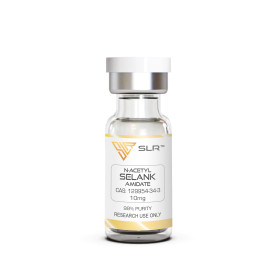
N-ACETYL SELANK AMIDATE - 10mg, 30mg, 50mg
€45.00
Tax excluded
IN-STOCK
favorite_border favorite
N-Acetyl Selank Amidate is a synthetically modified peptide that has been widely studied in experimental research for its role in neurogenic, neuroregulatory, and neurorestorative biological processes. Scientific investigations have primarily focused on its interaction with central nervous system signaling, neurochemical balance, immune-related modulation, and stress-associated pathways. Research has examined N-Acetyl Selank Amidate in relation to the following biological areas: Regulation of emotional and stress-related signaling Cognitive functions related to memory formation, information processing, and recall Modulation of attention, focus, and mental fatigue Learning-related mechanisms and adaptive cognitive responses Higher-order cortical functions, including speech, reasoning, and motor coordination Support of overall neurophysiological balance Immune-related signaling and immune system modulation Neurochemical pathways explored in alcohol withdrawal research models Regulation of monoamine neurotransmitters and serotonin metabolism Increased expression of brain-derived neurotrophic factor (BDNF) in experimental settings Modulation of T-helper cell cytokine balance and interleukin-6 (IL-6) expression Activation of interferon-related signaling pathways involved in antiviral defense
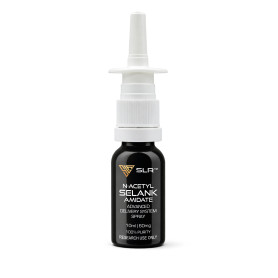
N-ACETYL SELANK AMIDATE - 10ml/60mg - Spray
€139.00
Tax excluded
IN-STOCK
favorite_border favorite
N-Acetyl Selank Amidate is a synthetically modified peptide that has been widely studied in experimental research for its role in neurogenic, neuroregulatory, and neurorestorative biological processes. Scientific investigations have primarily focused on its interaction with central nervous system signaling, neurochemical balance, immune-related modulation, and stress-associated pathways. Research has examined N-Acetyl Selank Amidate in relation to the following biological areas: Regulation of emotional and stress-related signaling Cognitive functions related to memory formation, information processing, and recall Modulation of attention, focus, and mental fatigue Learning-related mechanisms and adaptive cognitive responses Higher-order cortical functions, including speech, reasoning, and motor coordination Support of overall neurophysiological balance Immune-related signaling and immune system modulation Neurochemical pathways explored in alcohol withdrawal research models Regulation of monoamine neurotransmitters and serotonin metabolism Increased expression of brain-derived neurotrophic factor (BDNF) in experimental settings Modulation of T-helper cell cytokine balance and interleukin-6 (IL-6) expression Activation of interferon-related signaling pathways involved in antiviral defense FRESHLY PREPARED SOLUTION
N-ACETYL SEMAX AMIDATE - 10mg, 30mg, 50mg
€45.00
Tax excluded
IN-STOCK
favorite_border favorite
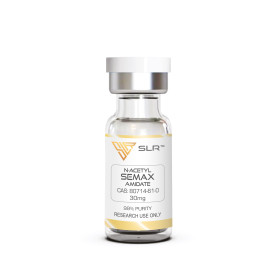
N-Acetyl Semax Amidate is a synthetic peptide that has been widely investigated in experimental research for its involvement in neurogenic and neurorestorative biological processes. Scientific studies have explored its activity in relation to central nervous system signaling, cognitive performance, vascular-associated mechanisms, and immune-related pathways. Research has primarily examined N-Acetyl Semax Amidate in the context of the following biological effects: Neuroprotective pathways associated with neuronal resilience Mechanisms involved in limiting nerve damage and supporting neural integrity Cognitive functions related to memory, learning, and information processing Cardiovascular-related signaling studied in ischemic and hypoxic research models Neurobehavioral pathways relevant to attention regulation Modulation of attention and focus-related neural activity Stress- and pain-associated signaling pathways explored in experimental settings
N-ACETYL SEMAX AMIDATE - 10ml/60mg - Spray
€139.00
Tax excluded
IN-STOCK
favorite_border favorite
N-Acetyl Semax Amidate is a synthetic peptide that has been widely investigated in experimental research for its involvement in neurogenic and neurorestorative biological processes. Scientific studies have explored its activity in relation to central nervous system signaling, cognitive performance, vascular-associated mechanisms, and immune-related pathways. Research has primarily examined N-Acetyl Semax Amidate in the context of the following biological effects: Neuroprotective pathways associated with neuronal resilience Mechanisms involved in limiting nerve damage and supporting neural integrity Cognitive functions related to memory, learning, and information processing Cardiovascular-related signaling studied in ischemic and hypoxic research models Neurobehavioral pathways relevant to attention regulation Modulation of attention and focus-related neural activity Stress- and pain-associated signaling pathways explored in experimental settings FRESHLY PREPARED SOLUTION
NAD+ - 1000mg
€64.90
Tax excluded
IN-STOCK
favorite_border favorite
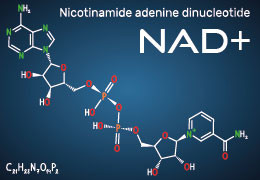
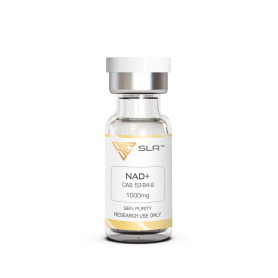
NAD⁺ (Nicotinamide Adenine Dinucleotide) is a central cellular coenzyme essential for mitochondrial energy production and redox balance. It plays a critical role in oxidative phosphorylation, ATP synthesis, and metabolic regulation. NAD⁺ also functions as a substrate for sirtuins and PARP enzymes, contributing to DNA repair, cellular stress resistance, and longevity-associated pathways. Due to its involvement in bioenergetics and cellular resilience, NAD⁺ is widely studied in mitochondrial function, metabolic regulation, and age-related biological processes
NEURO REGENERATION 1 - 10ml+100ml
€645.00
Tax excluded
IN-STOCK
favorite_border favorite
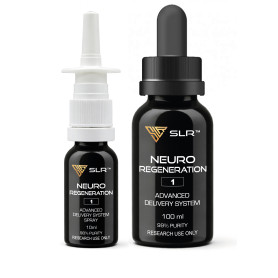
MITOCHONDRIAL FUNCTION / SYNAPTIC PLASTICITY / HIPPOCAMPAL NEUROGENESIS This multi-compound research formulation combines peptide-based and small-molecule neuroactive agents investigated in preclinical systems for neuronal stress resilience, synaptic integrity, and hippocampal structural support under experimental neurodegeneration and mood-dysregulation paradigms. Colivelin has been studied for amyloid-associated stress resistance and survival-signaling pathway modulation (including JAK/STAT3-related investigations). Cortagen has been explored for neuronal functional modulation, oxidative-stress markers, and recovery-related observations in neural stress and injury contexts. Humanin G  is a mitochondrial-derived micro-peptide analog investigated for cytoprotective signaling, anti-apoptotic mechanisms, and mitochondrial redox resilience across neurodegeneration- and systemic-stress models. J-147 is a small-molecule candidate studied for mitochondrial-functional modulation with downstream effects described on bioenergetics, AMPK-linked energy sensing, oxidative-stress markers, synaptic plasticity parameters. NSI-189 phosphate is a neurogenic small molecule investigated for dentate gyrus neurogenesis, hippocampal microarchitecture support, and circuit-level effects relevant to mood and cognition in preclinical research settings. FRESHLY PREPARED SOLUTION
NEURO REGENERATION 2 - 10ml+10ml - Spray
€1,380.00
Tax excluded
IN-STOCK
favorite_border favorite
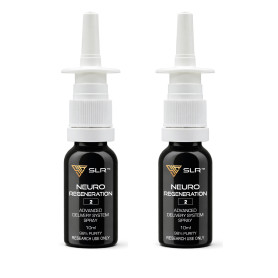
NEUROTROPHIC ACTIVATION / SYNAPTIC PLASTICITY / NEURAL REPAIR Neuro Regeneration 2 is a dual-phase peptide formulation developed to support research into synaptic plasticity, hippocampal neurogenesis, neuronal repair, and adaptive neurochemical regulation under conditions of neural stress. The formulation is structured in two complementary vials: Vial A focuses on neurotrophic signaling, activity-dependent plasticity, memory-related circuitry, and amyloid-associated synaptic resilience through FGL, Colivelin, P-21, and cAC-253; Vial B is oriented toward structural neural repair, oxidative and apoptotic stress adaptation, circadian support, and neurotransmitter-related regulation through Cortagen, Pinealon, and MIF-1. Together, the system is designed to investigate coordinated mechanisms involved in neuronal differentiation, synaptic maintenance, functional recovery, and long-term neural resilience.FRESHLY PREPARED SOLUTION
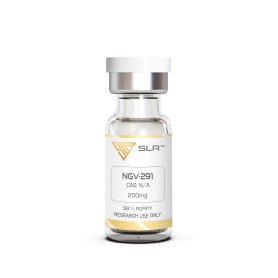
NGV-291 - 200mg
€895.00
Tax excluded
Custom Synthesis ✦ Production Time: 3+ Weeks
favorite_border favorite
NGV-291 is a synthetic research peptide investigated for its potential interaction with pathways involved in neuronal signaling, tissue regeneration, and cellular adaptation. Experimental studies focus on its ability to modulate signaling environments that influence cell growth, structural remodeling, and communication between cells, particularly within the nervous system. By targeting mechanisms related to cellular repair and extracellular matrix dynamics, NGV-291 is explored in research contexts examining neural plasticity, tissue recovery, and response to cellular stress. Its relevance lies in its potential to influence multiple interconnected biological processes rather than a single isolated pathway.