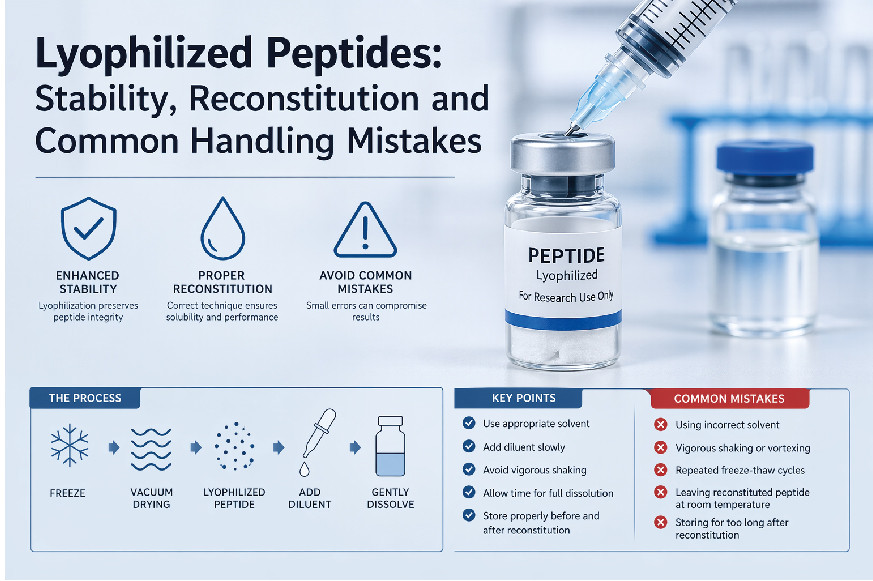
Cardiovascular

Active filters

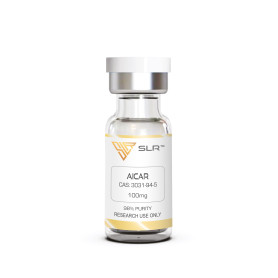
AICAR - 100mg
€79.00
Tax excluded
IN-STOCK
favorite_border favorite
Adenosine monophosphate (AMP) has a well-known experimental analog in the molecule AICAR. In preclinical research models, AICAR has been extensively used to investigate AMPK-mediated cellular energy regulation, metabolic stress responses, and redox balance. In in vitro systems and animal studies, AICAR has been evaluated in experimental contexts related to cardiac ischemia models, where AMPK activation has been associated with modulation of cellular survival pathways under ischemic stress. Due to its role in regulating oxidative stress and energy metabolism, AICAR has also been studied in experimental ageing-related models, as well as in preclinical models of metabolic and inflammatory dysregulation, including those used to investigate mechanisms relevant to insulin signaling, immune activation, and chronic inflammation. These findings are limited to controlled laboratory and animal research settings and are used to explore underlying biological mechanisms rather than clinical applications.
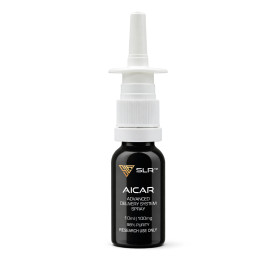
AICAR - 10ml/100mg - Spray
€99.00
Tax excluded
IN-STOCK
favorite_border favorite
Adenosine monophosphate (AMP) has a well-known experimental analog in the molecule AICAR. In preclinical research models, AICAR has been extensively used to investigate AMPK-mediated cellular energy regulation, metabolic stress responses, and redox balance. In in vitro systems and animal studies, AICAR has been evaluated in experimental contexts related to cardiac ischemia models, where AMPK activation has been associated with modulation of cellular survival pathways under ischemic stress. Due to its role in regulating oxidative stress and energy metabolism, AICAR has also been studied in experimental ageing-related models, as well as in preclinical models of metabolic and inflammatory dysregulation, including those used to investigate mechanisms relevant to insulin signaling, immune activation, and chronic inflammation. These findings are limited to controlled laboratory and animal research settings and are used to explore underlying biological mechanisms rather than clinical applications.   FRESHLY PREPARED SOLUTION 
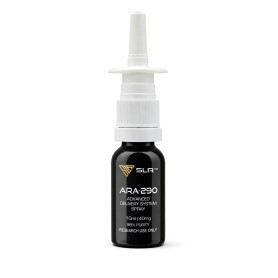
ARA-290 - 10ml/40mg - Spray
€138.00
Tax excluded
IN-STOCK
favorite_border favorite
ARA-290 has been investigated in preclinical and experimental research models designed to study inflammatory, metabolic, vascular, and neurobiological mechanisms relevant to the following disease-related research contexts: Cardiovascular-related experimental modelsRetinal ischemia and microvascular injury models Peripheral nerve injury and neuropathy models Small fiber nerve degeneration models Chronic inflammatory joint disease models Renal inflammation and metabolic stress models Hepatic lipid accumulation and inflammatory liver models Intestinal inflammation models Systemic autoimmune and immune dysregulation models Wound healing and tissue repair models  FRESHLY PREPARED SOLUTION 
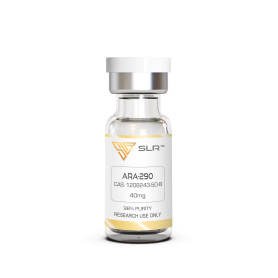
ARA-290 - 40mg
€115.00
Tax excluded
IN-STOCK
favorite_border favorite
Reconstitution Note ARA-290 is supplied in a PBS-buffered formulation (Phosphate Buffered Saline). Due to its amphipathic nature, the peptide may exhibit self-association, leading to increased viscosity or gel-like behavior during or after reconstitution. To reduce gelification risk: use adequate solvent volume (avoid high concentrations), mix gently, allow equilibration at room temperature, and apply slight warming if needed. Check solvent pH and adjust with buffer (e.g., PBS) if required. Prepare fresh solutions and avoid prolonged storage. These behaviors are not uncommon for amphipathic peptides and do not necessarily indicate product instability or degradation.ARA-290 has been investigated in preclinical and experimental research models designed to study inflammatory, metabolic, vascular, and neurobiological mechanisms relevant to the following disease-related research contexts: Cardiovascular-related experimental modelsRetinal ischemia and microvascular injury models Peripheral nerve injury and neuropathy models Small fiber nerve degeneration models Chronic inflammatory joint disease models Renal inflammation and metabolic stress models Hepatic lipid accumulation and inflammatory liver models Intestinal inflammation models Systemic autoimmune and immune dysregulation models Wound healing and tissue repair models 
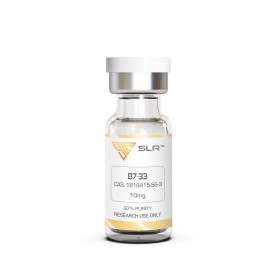
B7-33 - 10mg
€115.00
Tax excluded
IN-STOCK
favorite_border favorite
B7-33 peptide 10mg – synthetic research-grade peptide, supplied as lyophilized powder for laboratory research. B7-33 has been investigated in preclinical research models related to fibrotic tissue remodeling, vascular and endothelial signaling, cardiac injury, and pulmonary inflammation.
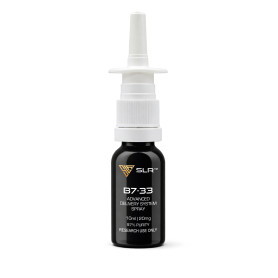
B7-33 - 10ml/20mg - Spray
€238.00
Tax excluded
IN-STOCK
favorite_border favorite
B7-33 has been investigated in preclinical research models related to: Fibrotic tissue remodeling models Vascular protection and endothelial signaling models Cardiac injury and post-ischemic remodeling models Pulmonary inflammation and fibrosis-related models  FRESHLY PREPARED SOLUTION 
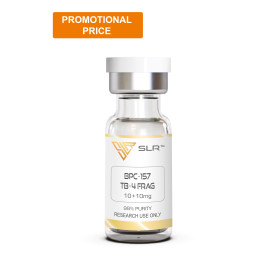
BPC-157 + TB-4 FRAG - 10+10mg, 30+30mg
€49.00
Tax excluded
Promotional price while stocks last.
favorite_border favorite
BPC-157 is a 15-amino-acid synthetic peptide used in preclinical research models to investigate cellular repair mechanisms, extracellular matrix dynamics, vascular signaling, and tissue stress responses. In in vitro systems and animal studies, BPC-157 has been explored for its involvement in pathways related to fibroblast activity, angiogenesis, nitric oxide-associated signaling, coagulation-related processes, immune modulation, and gene expression regulation under experimental conditions. Thymosin Beta-4 Fragment is a short peptide derived from the active region of Thymosin Beta-4, commonly employed in preclinical research to investigate actin-regulated cell migration, angiogenesis, inflammatory modulation, and tissue remodeling mechanisms. In experimental models, it has been studied for its involvement in wound-related cellular dynamics, oxidative stress responses, and regeneration-associated signaling pathways.
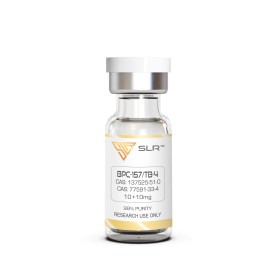
BPC-157 + THYMOSIN B-4 (43aa) - 10+10mg
€115.00
Tax excluded
IN-STOCK
favorite_border favorite
BPC-157 is a 15-amino-acid synthetic peptide used in preclinical research models to investigate cellular repair mechanisms, extracellular matrix dynamics, vascular signaling, and tissue stress responses. In in vitro systems and animal studies, BPC-157 has been explored for its involvement in pathways related to fibroblast activity, angiogenesis, nitric oxide-associated signaling, coagulation-related processes, immune modulation, and gene expression regulation under experimental conditions. Thymosin Beta-4 is a 43-amino-acid peptide widely used in preclinical experimental systems to study actin-mediated cell migration, angiogenesis, inflammatory signaling, and tissue remodeling processes. In laboratory and animal models, Thymosin Beta-4 has been investigated for its role in wound-associated cell dynamics, oxidative stress responses, and regeneration-related signaling pathways. 
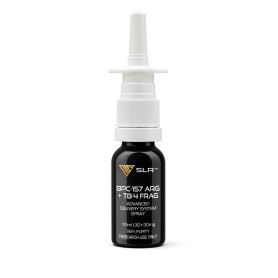
BPC-157 ARG + TB-4 FRAG - 10ml/30mg + 30mg - Spray
€149.00
Tax excluded
IN-STOCK
favorite_border favorite
BPC-157 is a 15-amino-acid synthetic peptide used in preclinical research models to investigate cellular repair mechanisms, extracellular matrix dynamics, vascular signaling, and tissue stress responses. In in vitro systems and animal studies, BPC-157 has been explored for its involvement in pathways related to fibroblast activity, angiogenesis, nitric oxide-associated signaling, coagulation-related processes, immune modulation, and gene expression regulation under experimental conditions. Thymosin Beta-4 Fragment is a short peptide derived from the active region of Thymosin Beta-4, commonly employed in preclinical research to investigate actin-regulated cell migration, angiogenesis, inflammatory modulation, and tissue remodeling mechanisms. In experimental models, it has been studied for its involvement in wound-related cellular dynamics, oxidative stress responses, and regeneration-associated signaling pathways. FRESHLY PREPARED SOLUTION 
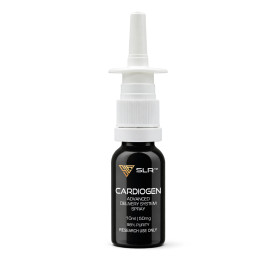
CARDIOGEN - 10ml/50mg - Spray
€175.00
Tax excluded
IN-STOCK
favorite_border favorite
Cardiogen is a short synthetic peptide used in preclinical research models to study fibroblast-associated signaling and tissue remodeling mechanisms. In in vitro systems and animal studies, it has been investigated for its role in regulating cellular processes involved in extracellular matrix organization and scar-related responses under experimental conditions. FRESHLY PREPARED SOLUTION 
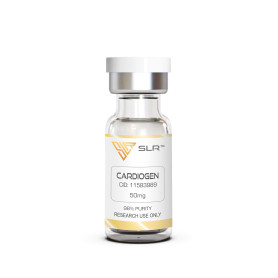
CARDIOGEN - 50mg
€146.00
Tax excluded
IN-STOCK
favorite_border favorite
Cardiogen is a short synthetic peptide used in preclinical research models to study fibroblast-associated signaling and tissue remodeling mechanisms. In in vitro systems and animal studies, it has been investigated for its role in regulating cellular processes involved in extracellular matrix organization and scar-related responses under experimental conditions.
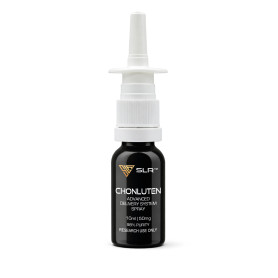
CHONLUTEN - 10ml/50mg - Spray
€136.00
Tax excluded
IN-STOCK
favorite_border favorite
Chonluten has been explored in relation to the regulation of pulmonary mucosa, gene networks involved in inflammatory and antioxidant processes, and tissue adaptation mechanisms across a broad range of acute and chronic respiratory and systemic stress conditions, of both infectious and non-infectious origin, including age-associated functional decline. Experimental findings indicate a predominant activity within pulmonary tissue, with secondary involvement observed in the gastrointestinal tract. Specifically, Chonluten has been studied in preclinical research contexts involving: post-infectious pulmonary recovery states chronic cardiopulmonary functional impairment persistent respiratory dysfunction recovery phases following prolonged mechanical ventilation long-term pulmonary adaptation after remission of granulomatous conditions acute respiratory distress and hypoxia-associated states high physiological load and exercise-related respiratory stress maintenance of respiratory function in ageing biological systems inflammation-driven pulmonary mucosal dysregulation inflammatory states and alterations of the gastrointestinal mucosa FRESHLY PREPARED SOLUTION 
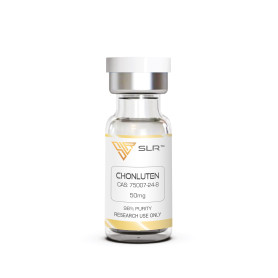
CHONLUTEN - 50mg
€109.00
Tax excluded
IN-STOCK
favorite_border favorite
Chonluten has been explored in relation to the regulation of pulmonary mucosa, gene networks involved in inflammatory and antioxidant processes, and tissue adaptation mechanisms across a broad range of acute and chronic respiratory and systemic stress conditions, of both infectious and non-infectious origin, including age-associated functional decline. Experimental findings indicate a predominant activity within pulmonary tissue, with secondary involvement observed in the gastrointestinal tract. Specifically, Chonluten has been studied in preclinical research contexts involving: post-infectious pulmonary recovery states chronic cardiopulmonary functional impairment persistent respiratory dysfunction recovery phases following prolonged mechanical ventilation long-term pulmonary adaptation after remission of granulomatous conditions acute respiratory distress and hypoxia-associated states high physiological load and exercise-related respiratory stress maintenance of respiratory function in ageing biological systems inflammation-driven pulmonary mucosal dysregulation inflammatory states and alterations of the gastrointestinal mucosa
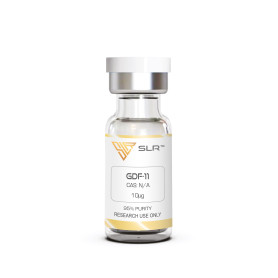
GDF-11 - 10ug
€119.00
Tax excluded
If the item is temporarily out of stock when you place your order, the item will automatically move to a back order status. Then, when we get that item back in stock, we will ship it to the shipping address on your account
favorite_border favorite
GDF11 has been shown to improve the outcomes of neurodegenerative and neurovascular diseases, increase the amount of skeletal muscle and boost muscular strength. It also has the power to reverse age-related degenerative alterations, as well as govern organ and skin regeneration following damage. These are all examples of its biological effects, which include reversing senescence.
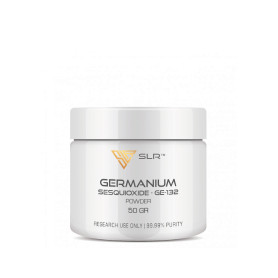
GERMANIUM SESQUIOXIDE GE-132 - 99,99% - 50g
€189.00
Tax excluded
IN-STOCK
favorite_border favorite
Organic Germanium GE-132 (carboxyethylgermanium sesquioxide) is a water-soluble organogermanium compound investigated for its effects on immune signaling, chemokine regulation, and oxidative stress pathways. Research consistently highlights modulation of the CCL2–CCR2 chemokine axis, which influences monocyte recruitment and macrophage trafficking, as well as induction of interferon-associated pathways with activation of NK cells and macrophages in experimental models. GE-132 has also been shown to suppress NF-κB and MAPK signaling and reduce inflammatory mediators under controlled conditions. Another key feature is redox modulation. Several studies report protection against hydrogen peroxide–induced oxidative stress, increased intracellular glutathione, reduced LDL oxidation, elevated α-tocopherol levels, and improved antioxidant enzyme activity. In vitro data also indicate increased cellular ATP levels and potential support of mitochondrial bioenergetics. Preclinical oncology research describes effects on tumor microenvironment regulation, macrophage M1 gene polarization, inhibition of the CCL2 pathway, and reduction of tumor progression. Additional experimental contexts include vascular inflammation, myocardial remodeling, neuroinflammatory paradigms, hepatic oxidative injury, antiviral immune signaling, and wound healing biology.
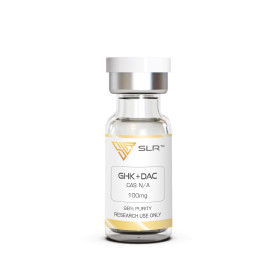
GHK + DAC - 100mg
€265.00
Tax excluded
IN-STOCK
favorite_border favorite
GHK with DAC is a modified form of the naturally occurring tripeptide GHK that has been engineered to enhance stability and prolong its persistence in experimental systems. Like native GHK, it has been widely investigated in laboratory and preclinical research for its involvement in multiple biological processes. Scientific studies suggest that GHK is associated with the following research-observed activities: Support of tissue repair processes Modulation of fibrinogen-related pathways Activation of DNA repair–related gene networks Engagement of the ubiquitin/proteasome system Influence on insulin and insulin-like signaling pathways. The addition of DAC (Drug Affinity Complex or stabilizing moiety) is designed to enhance resistance to enzymatic degradation and extend the duration of peptide activity in experimental conditions. This modification may allow for more sustained interaction with biological systems, supporting improved observation of time-dependent and cumulative effects in research models. Collectively, these properties make GHK with DAC a molecule of interest in research areas such as tissue regeneration, aging mechanisms, metabolic regulation, and cellular homeostasis, particularly in experimental settings where prolonged peptide exposure is required.
GHK - 50mg, 100mg
€56.00
Tax excluded
IN-STOCK
favorite_border favorite
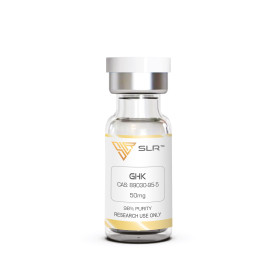
GHK is a naturally occurring tripeptide that has been widely investigated in experimental and laboratory research for its involvement in multiple biological processes. Scientific studies suggest that GHK is associated with the following research-observed activities: Support of tissue repair processes: Linked to collagen-related pathways and cellular mechanisms involved in wound repair and tissue maintenance. Modulation of fibrinogen-related pathways: Associated with inflammatory signaling regulation and vascular biology mechanisms in experimental models. Activation of DNA repair–related gene networks: Observed to influence pathways connected to genomic stability and cellular maintenance. Engagement of the ubiquitin/proteasome system: Studied for its role in supporting protein quality control and cellular homeostasis. Influence on insulin and insulin-like signaling pathways: Associated with metabolic regulation mechanisms in gene expression studies. Collectively, these properties make GHK a molecule of interest in research areas such as cardiovascular biology, aging mechanisms, metabolic regulation, and tissue regeneration. 
GHRP-2 - 5mg
€21.00
Tax excluded
Promotional price while stocks last
favorite_border favorite
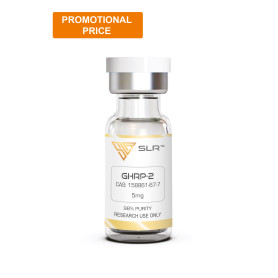
GHRP-2 is a synthetic hexapeptide classified as a growth hormone secretagogue and a selective agonist of the ghrelin receptor (GHS-R1a). It is studied in research contexts for its interaction with receptor-mediated signaling pathways involved in endocrine regulation and pituitary-associated communication processes. Due to its targeted receptor activity, GHRP-2 remains a compound of interest in experimental models investigating signaling mechanisms related to growth hormone regulatory pathways and systemic endocrine coordination.
GHRP-6 - 5mg
€21.00
Tax excluded
Promotional price while stocks last
favorite_border favorite
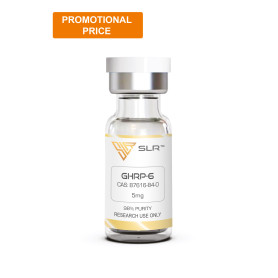
GHRP-6 is a synthetic hexapeptide classified as a growth hormone secretagogue and a selective agonist of the ghrelin receptor (GHS-R1a). It is studied in research contexts for its interaction with receptor-mediated signaling pathways involved in endocrine regulation and neuroendocrine communication processes. Due to its well-characterized receptor activity, GHRP-6 remains a compound of interest in experimental models investigating ghrelin-related signaling and growth hormone regulatory pathways.
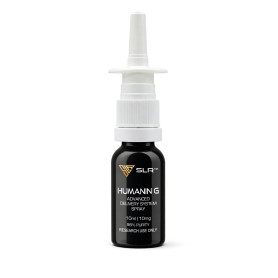
HUMANIN G - 10mg
€119.00
Tax excluded
IN-STOCK
favorite_border favorite
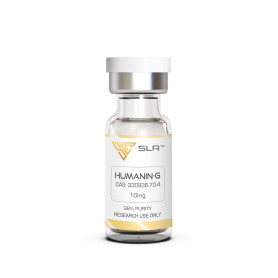
Humanin is a 24–amino acid mitochondrial-derived peptide in which each residue contributes to its biological activity. A key residue is serine at position 14, which is associated with neuroprotective properties. Substitution of this amino acid with glycine results in a more potent variant known as Humanin-G (HNG). Experimental research indicates that HNG exhibits substantially enhanced biological activity compared to native Humanin and is particularly effective in preserving mitochondrial function and cellular integrity under stress conditions. In preclinical and laboratory research settings, Humanin-G has been shown to support cellular survival by limiting mitochondrial dysfunction and reducing pathways associated with programmed cell death. These properties have generated scientific interest in its role within research models of ischemic injury, neurodegenerative processes such as Alzheimer’s disease, and other conditions linked to cellular stress. Based on experimental observations, Humanin-G has been associated with:  Protection against mitochondrial dysfunction in stressed cells Reduction of apoptosis-related cellular pathways Support of cellular longevity mechanisms in research models Modulation of insulin sensitivity in experimental systems Neuroprotective effects observed in models of ischemia and neurodegeneration
HUMANIN G - 10ml/10mg - Spray
€158.00
Tax excluded
IN-STOCK
favorite_border favorite
Humanin is a 24–amino acid mitochondrial-derived peptide in which each residue contributes to its biological activity. A key residue is serine at position 14, which is associated with neuroprotective properties. Substitution of this amino acid with glycine results in a more potent variant known as Humanin-G (HNG). Experimental research indicates that HNG exhibits substantially enhanced biological activity compared to native Humanin and is particularly effective in preserving mitochondrial function and cellular integrity under stress conditions. In preclinical and laboratory research settings, Humanin-G has been shown to support cellular survival by limiting mitochondrial dysfunction and reducing pathways associated with programmed cell death. These properties have generated scientific interest in its role within research models of ischemic injury, neurodegenerative processes such as Alzheimer’s disease, and other conditions linked to cellular stress. Based on experimental observations, Humanin-G has been associated with: Protection against mitochondrial dysfunction in stressed cells Reduction of apoptosis-related cellular pathways Support of cellular longevity mechanisms in research models Modulation of insulin sensitivity in experimental systems Neuroprotective effects observed in models of ischemia and neurodegeneration FRESHLY PREPARED SOLUTION 
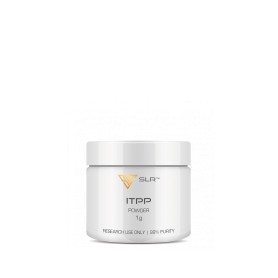
ITPP (MYO-INOSITOL TRISPYROPHOSPHATE) - 1gr/5gr
€40.00
Tax excluded
IN-STOCK
favorite_border favorite
Myo-Inositol Trispyrophosphate Hexasodium Salt (ITPP) is a compound studied for its ability to influence oxygen delivery dynamics by modulating hemoglobin’s affinity for oxygen. This mechanism has been associated, in experimental settings, with changes in tissue oxygen availability and cellular metabolic processes. In preclinical and laboratory research, ITPP has been explored for its potential impact on metabolic efficiency, oxidative balance, and inflammatory pathways. Its interaction with oxygen-dependent systems has generated scientific interest in areas related to cellular energy metabolism, mitochondrial function, and tissue-level physiology. Additionally, ongoing research has investigated the broader implications of oxygen modulation in contexts such as aging processes, cellular stress response, and complex biological environments including those associated with neurodegenerative and proliferative conditions.
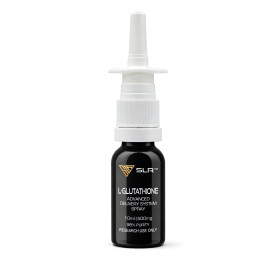
L-GLUTATHIONE - 10ml/500mg - Spray
€65.00
Tax excluded
IN-STOCK
favorite_border favorite
L-Glutathione is a naturally occurring tripeptide that has been extensively studied for its central role in cellular protection and metabolic balance. Research and experimental data indicate that L-Glutathione is associated with the following biological processes: Regulation of intracellular redox balance and antioxidant defenses Protection of cells from oxidative stress and reactive oxygen species Support of detoxification and cellular clearance pathways Modulation of immune and inflammatory signaling mechanisms Maintenance of mitochondrial function and cellular energy metabolism Preservation of protein structure and prevention of oxidative damage Involvement in cellular stress adaptation and aging-related processes FRESHLY PREPARED SOLUTION 
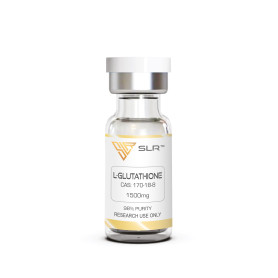
L-GLUTATHIONE - 1500mg
€38.00
Tax excluded
IN-STOCK
favorite_border favorite
L-Glutathione is a naturally occurring tripeptide that has been extensively studied for its central role in cellular protection and metabolic balance. Research and experimental data indicate that L-Glutathione is associated with the following biological processes: Regulation of intracellular redox balance and antioxidant defenses Protection of cells from oxidative stress and reactive oxygen species Support of detoxification and cellular clearance pathways Modulation of immune and inflammatory signaling mechanisms Maintenance of mitochondrial function and cellular energy metabolism Preservation of protein structure and prevention of oxidative damage Involvement in cellular stress adaptation and aging-related processes