Inflammation

Active filters

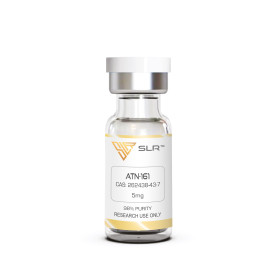
ATN-161- 5mg, 60mg
€56.00
Tax excluded
IN-STOCK
favorite_border favorite
ATN-161 is a synthetic pentapeptide used in preclinical research models to study integrin–extracellular matrix interactions, particularly those involving fibronectin binding. In in vitro systems and animal studies, modulation of these interactions has been employed to investigate cell adhesion, migration, angiogenesis-related signaling, and tissue remodeling mechanisms under experimental conditions.
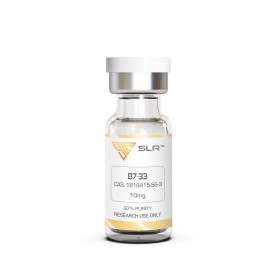
B7-33 - 10mg
€115.00
Tax excluded
IN-STOCK
favorite_border favorite
B7-33 peptide 10mg – synthetic research-grade peptide, supplied as lyophilized powder for laboratory research. B7-33 has been investigated in preclinical research models related to fibrotic tissue remodeling, vascular and endothelial signaling, cardiac injury, and pulmonary inflammation.
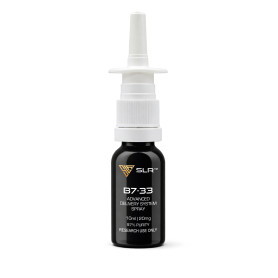
B7-33 - 10ml/20mg - Spray
€238.00
Tax excluded
IN-STOCK
favorite_border favorite
B7-33 has been investigated in preclinical research models related to: Fibrotic tissue remodeling models Vascular protection and endothelial signaling models Cardiac injury and post-ischemic remodeling models Pulmonary inflammation and fibrosis-related models  FRESHLY PREPARED SOLUTION 
BONOMARLOT (Myelopeptide-2) - 125mg
€248.00
Tax excluded
IN-STOCK
favorite_border favorite
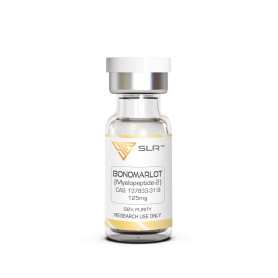
Summary Bonomarlot, also known as Myelopeptide-2 (MP-2), is a synthetic hexapeptide derived from bone marrow peptides and studied for its immunomodulatory properties in experimental settings. It has demonstrated the ability to restore T-lymphocyte proliferation and normalize key surface markers such as CD3 and CD4 under conditions of immune suppression induced by tumor-derived factors. These effects suggest a role in supporting cellular signaling pathways involved in T-cell activation and functional recovery. Due to its small size and hydrophobic composition, MP-2 may interact efficiently with cellular membranes and protein interfaces, contributing to its biological activity. Current data are limited to preclinical research models, where MP-2 is used as a tool to investigate immune regulation, cellular recovery mechanisms, and tumor-associated immunosuppression.
BPC-157 + TB-4 FRAG - 10+10mg, 30+30mg
€49.00
Tax excluded
Promotional price while stocks last.
favorite_border favorite
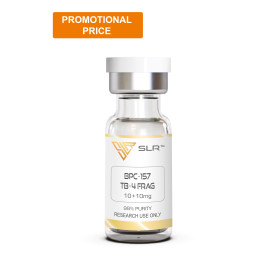
BPC-157 is a 15-amino-acid synthetic peptide used in preclinical research models to investigate cellular repair mechanisms, extracellular matrix dynamics, vascular signaling, and tissue stress responses. In in vitro systems and animal studies, BPC-157 has been explored for its involvement in pathways related to fibroblast activity, angiogenesis, nitric oxide-associated signaling, coagulation-related processes, immune modulation, and gene expression regulation under experimental conditions. Thymosin Beta-4 Fragment is a short peptide derived from the active region of Thymosin Beta-4, commonly employed in preclinical research to investigate actin-regulated cell migration, angiogenesis, inflammatory modulation, and tissue remodeling mechanisms. In experimental models, it has been studied for its involvement in wound-related cellular dynamics, oxidative stress responses, and regeneration-associated signaling pathways.
BPC-157 + THYMOSIN B-4 (43aa) - 10+10mg
€115.00
Tax excluded
IN-STOCK
favorite_border favorite
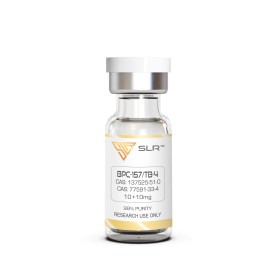
BPC-157 is a 15-amino-acid synthetic peptide used in preclinical research models to investigate cellular repair mechanisms, extracellular matrix dynamics, vascular signaling, and tissue stress responses. In in vitro systems and animal studies, BPC-157 has been explored for its involvement in pathways related to fibroblast activity, angiogenesis, nitric oxide-associated signaling, coagulation-related processes, immune modulation, and gene expression regulation under experimental conditions. Thymosin Beta-4 is a 43-amino-acid peptide widely used in preclinical experimental systems to study actin-mediated cell migration, angiogenesis, inflammatory signaling, and tissue remodeling processes. In laboratory and animal models, Thymosin Beta-4 has been investigated for its role in wound-associated cell dynamics, oxidative stress responses, and regeneration-related signaling pathways. 
BPC-157 - 5mg, 10mg
€24.00
Tax excluded
Promotional price while stocks last.
favorite_border favorite
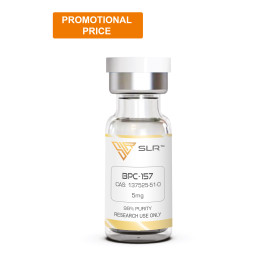
BPC-157 is a 15-amino-acid synthetic peptide used in preclinical research models to investigate cellular repair mechanisms, extracellular matrix dynamics, vascular signaling, and tissue stress responses. In in vitro systems and animal studies, BPC-157 has been explored for its involvement in pathways related to fibroblast activity, angiogenesis, nitric oxide-associated signaling, coagulation-related processes, immune modulation, and gene expression regulation under experimental conditions.
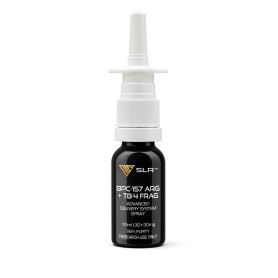
BPC-157 ARG + TB-4 FRAG - 10ml/30mg + 30mg - Spray
€149.00
Tax excluded
IN-STOCK
favorite_border favorite
BPC-157 is a 15-amino-acid synthetic peptide used in preclinical research models to investigate cellular repair mechanisms, extracellular matrix dynamics, vascular signaling, and tissue stress responses. In in vitro systems and animal studies, BPC-157 has been explored for its involvement in pathways related to fibroblast activity, angiogenesis, nitric oxide-associated signaling, coagulation-related processes, immune modulation, and gene expression regulation under experimental conditions. Thymosin Beta-4 Fragment is a short peptide derived from the active region of Thymosin Beta-4, commonly employed in preclinical research to investigate actin-regulated cell migration, angiogenesis, inflammatory modulation, and tissue remodeling mechanisms. In experimental models, it has been studied for its involvement in wound-related cellular dynamics, oxidative stress responses, and regeneration-associated signaling pathways. FRESHLY PREPARED SOLUTION 
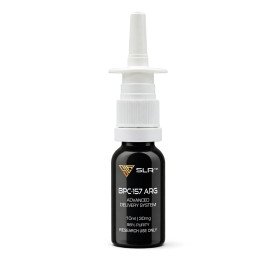
BPC-157 ARG - 10ml/30mg - Spray
€148.00
Tax excluded
IN-STOCK
favorite_border favorite
BPC-157 is a 15-amino-acid synthetic peptide used in preclinical research models to investigate cellular repair mechanisms, extracellular matrix dynamics, vascular signaling, and tissue stress responses. In in vitro systems and animal studies, BPC-157 has been explored for its involvement in pathways related to fibroblast activity, angiogenesis, nitric oxide-associated signaling, coagulation-related processes, immune modulation, and gene expression regulation under experimental conditions. FRESHLY PREPARED SOLUTION 
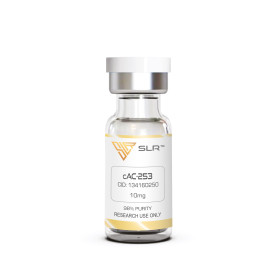
cAC-253 - 10mg
€376.00
Tax excluded
IN-STOCK
favorite_border favorite
cAC-253 is a disulfide-cyclized research peptide used in preclinical experimental models to investigate amylin receptor–mediated signaling under conditions of amyloid-associated cellular stress. In in vitro systems and animal studies, cAC-253 has been explored for its effects on synaptic function, learning- and memory-related signaling pathways, amyloid-associated biochemical markers, and neuroinflammatory responses, providing a tool for mechanistic research into receptor-specific pathways involved in synaptic integrity.
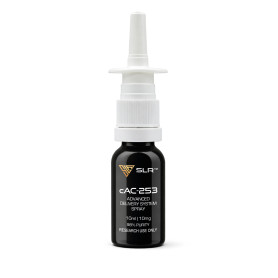
cAC-253 - 10ml/10mg - Spray
€429.00
Tax excluded
IN-STOCK
favorite_border favorite
cAC-253 is a disulfide-cyclized research peptide used in preclinical experimental models to investigate amylin receptor–mediated signaling under conditions of amyloid-associated cellular stress. In in vitro systems and animal studies, cAC-253 has been explored for its effects on synaptic function, learning- and memory-related signaling pathways, amyloid-associated biochemical markers, and neuroinflammatory responses, providing a tool for mechanistic research into receptor-specific pathways involved in synaptic integrity. FRESHLY PREPARED SOLUTION 
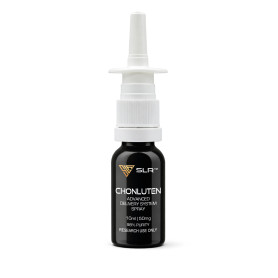
CHONLUTEN - 10ml/50mg - Spray
€136.00
Tax excluded
IN-STOCK
favorite_border favorite
Chonluten has been explored in relation to the regulation of pulmonary mucosa, gene networks involved in inflammatory and antioxidant processes, and tissue adaptation mechanisms across a broad range of acute and chronic respiratory and systemic stress conditions, of both infectious and non-infectious origin, including age-associated functional decline. Experimental findings indicate a predominant activity within pulmonary tissue, with secondary involvement observed in the gastrointestinal tract. Specifically, Chonluten has been studied in preclinical research contexts involving: post-infectious pulmonary recovery states chronic cardiopulmonary functional impairment persistent respiratory dysfunction recovery phases following prolonged mechanical ventilation long-term pulmonary adaptation after remission of granulomatous conditions acute respiratory distress and hypoxia-associated states high physiological load and exercise-related respiratory stress maintenance of respiratory function in ageing biological systems inflammation-driven pulmonary mucosal dysregulation inflammatory states and alterations of the gastrointestinal mucosa FRESHLY PREPARED SOLUTION 
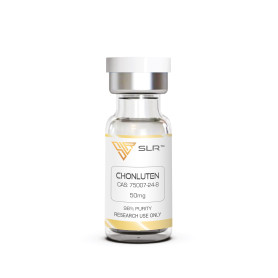
CHONLUTEN - 50mg
€109.00
Tax excluded
IN-STOCK
favorite_border favorite
Chonluten has been explored in relation to the regulation of pulmonary mucosa, gene networks involved in inflammatory and antioxidant processes, and tissue adaptation mechanisms across a broad range of acute and chronic respiratory and systemic stress conditions, of both infectious and non-infectious origin, including age-associated functional decline. Experimental findings indicate a predominant activity within pulmonary tissue, with secondary involvement observed in the gastrointestinal tract. Specifically, Chonluten has been studied in preclinical research contexts involving: post-infectious pulmonary recovery states chronic cardiopulmonary functional impairment persistent respiratory dysfunction recovery phases following prolonged mechanical ventilation long-term pulmonary adaptation after remission of granulomatous conditions acute respiratory distress and hypoxia-associated states high physiological load and exercise-related respiratory stress maintenance of respiratory function in ageing biological systems inflammation-driven pulmonary mucosal dysregulation inflammatory states and alterations of the gastrointestinal mucosa
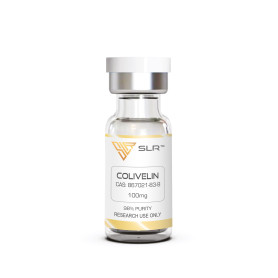
COLIVELIN - 100mg
€490.00
Tax excluded
IN-STOCK
favorite_border favorite
Colivelin is a humanin-family peptide that has been extensively investigated in preclinical research models for its involvement in neuronal stress-response pathways. Experimental studies conducted in vitro and in vivo indicate that Colivelin may influence mechanisms associated with amyloid-related aggregation processes, neuronal apoptosis, and synaptic plasticity regulation under neurodegenerative conditions.   
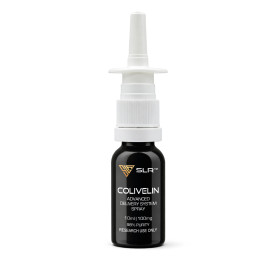
COLIVELIN - 10ml/100mg - Spray
€549.00
Tax excluded
IN-STOCK
favorite_border favorite
Colivelin is a humanin-family peptide that has been extensively investigated in preclinical research models for its involvement in neuronal stress-response pathways. Experimental studies conducted in vitro and in vivo indicate that Colivelin may influence mechanisms associated with amyloid-related aggregation processes, neuronal apoptosis, and synaptic plasticity regulation under neurodegenerative conditions.    FRESHLY PREPARED SOLUTION 
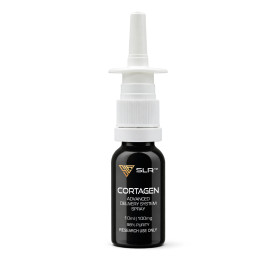
CORTAGEN - 10ml/100mg - Spray
€229.00
Tax excluded
IN-STOCK
favorite_border favorite
Cortagen has been investigated in preclinical and exploratory research settings for its potential involvement in brain reparative processes, cerebroprotective responses, and nootropic-like activity, within experimental models of cerebral stress and degeneration. Research literature has explored Cortagen in relation to the following neurobiological contexts: Cerebral lesion and injury models Neurodegenerative and dementing process models, including protein-aggregation and vascular-associated degeneration Extrapyramidal and movement-disorder research models Spinal and cerebellar system dysfunction models Central nervous system involvement in immune-mediated and inflammatory conditions Motor impairment and hemiplegia-related models Paralytic and neuromuscular dysfunction models Cerebral involvement in bacterial meningeal inflammation models Hemorrhagic cerebral stress models Transient and persistent cerebral ischemia models  FRESHLY PREPARED SOLUTION 
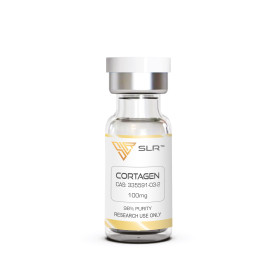
CORTAGEN -100mg
€189.00
Tax excluded
IN-STOCK
favorite_border favorite
Cortagen has been investigated in preclinical and exploratory research settings for its potential involvement in brain reparative processes, cerebroprotective responses, and nootropic-like activity, within experimental models of cerebral stress and degeneration. Research literature has explored Cortagen in relation to the following neurobiological contexts: Cerebral lesion and injury models Neurodegenerative and dementing process models, including protein-aggregation and vascular-associated degeneration Extrapyramidal and movement-disorder research models Spinal and cerebellar system dysfunction models Central nervous system involvement in immune-mediated and inflammatory conditions Motor impairment and hemiplegia-related models Paralytic and neuromuscular dysfunction models Cerebral involvement in bacterial meningeal inflammation models Hemorrhagic cerebral stress models Transient and persistent cerebral ischemia models 
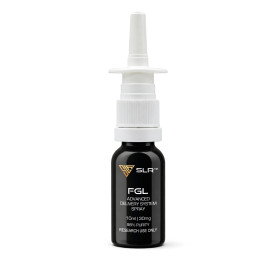
FGL - 10ml/30mg - Spray
€228.00
Tax excluded
IN-STOCK
favorite_border favorite
FGL has been investigated in experimental and preclinical research settings for its role in supporting synapse formation between neurons, a process associated with synaptic plasticity and structural neuronal adaptation. Increased activity-dependent synaptic communication observed in research models suggests that FGL may contribute to information encoding mechanisms underlying learning and memory-related processes. According to experimental studies, FGL has been explored in relation to the following neurobiological contexts: Neuroprotective mechanisms in neuronal stress models Modulation of cognitive performance parameters in experimental systems Neural recovery and adaptation following traumatic brain injury models Protection against experimentally induced neurotoxic stress Memory-related processes in learning paradigms Learning-associated synaptic plasticity mechanisms Neurodegenerative and cognitive decline research models Modulation of neuroinflammatory signaling in central nervous system models Regulation of mood-related behavioral parameters in experimental settings Activity-dependent enhancement of excitatory synaptic transmission    FRESHLY PREPARED SOLUTION 
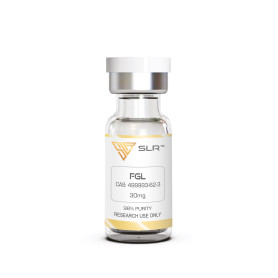
FGL - 30mg
€189.00
Tax excluded
IN-STOCK
favorite_border favorite
FGL has been investigated in experimental and preclinical research settings for its role in supporting synapse formation between neurons, a process associated with synaptic plasticity and structural neuronal adaptation. Increased activity-dependent synaptic communication observed in research models suggests that FGL may contribute to information encoding mechanisms underlying learning and memory-related processes. According to experimental studies, FGL has been explored in relation to the following neurobiological contexts: Neuroprotective mechanisms in neuronal stress models Modulation of cognitive performance parameters in experimental systems Neural recovery and adaptation following traumatic brain injury models Protection against experimentally induced neurotoxic stress Memory-related processes in learning paradigms Learning-associated synaptic plasticity mechanisms Neurodegenerative and cognitive decline research models Modulation of neuroinflammatory signaling in central nervous system models Regulation of mood-related behavioral parameters in experimental settings Activity-dependent enhancement of excitatory synaptic transmission      
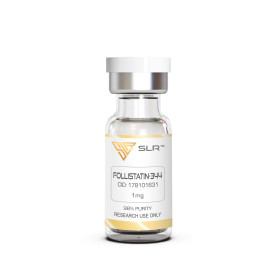
FOLLISTATIN-344 - 1mg
€120.00
Tax excluded
IN-STOCK
favorite_border favorite
Follistatin-344 is a synthetic analogue of the naturally occurring follistatin protein. In preclinical and experimental research, it has been investigated for its interactions with signaling pathways involving myostatin, activins, and follicle-stimulating hormone (FSH). Findings from in vitro and animal studies suggest that modulation of these pathways may be associated with changes in cellular differentiation processes, tissue remodeling dynamics, and selected regulatory signaling mechanisms. These observations position Follistatin-344 as a molecule of interest in research contexts focused on tissue biology, regenerative signaling, and growth-regulatory pathways.
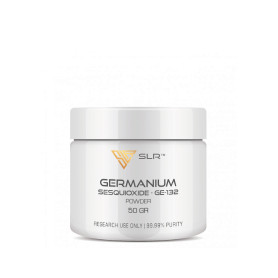
GERMANIUM SESQUIOXIDE GE-132 - 99,99% - 50g
€189.00
Tax excluded
IN-STOCK
favorite_border favorite
Organic Germanium GE-132 (carboxyethylgermanium sesquioxide) is a water-soluble organogermanium compound investigated for its effects on immune signaling, chemokine regulation, and oxidative stress pathways. Research consistently highlights modulation of the CCL2–CCR2 chemokine axis, which influences monocyte recruitment and macrophage trafficking, as well as induction of interferon-associated pathways with activation of NK cells and macrophages in experimental models. GE-132 has also been shown to suppress NF-κB and MAPK signaling and reduce inflammatory mediators under controlled conditions. Another key feature is redox modulation. Several studies report protection against hydrogen peroxide–induced oxidative stress, increased intracellular glutathione, reduced LDL oxidation, elevated α-tocopherol levels, and improved antioxidant enzyme activity. In vitro data also indicate increased cellular ATP levels and potential support of mitochondrial bioenergetics. Preclinical oncology research describes effects on tumor microenvironment regulation, macrophage M1 gene polarization, inhibition of the CCL2 pathway, and reduction of tumor progression. Additional experimental contexts include vascular inflammation, myocardial remodeling, neuroinflammatory paradigms, hepatic oxidative injury, antiviral immune signaling, and wound healing biology.
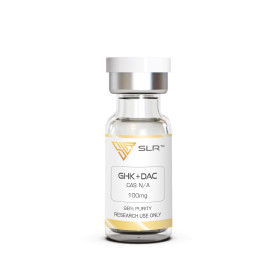
GHK + DAC - 100mg
€265.00
Tax excluded
IN-STOCK
favorite_border favorite
GHK with DAC is a modified form of the naturally occurring tripeptide GHK that has been engineered to enhance stability and prolong its persistence in experimental systems. Like native GHK, it has been widely investigated in laboratory and preclinical research for its involvement in multiple biological processes. Scientific studies suggest that GHK is associated with the following research-observed activities: Support of tissue repair processes Modulation of fibrinogen-related pathways Activation of DNA repair–related gene networks Engagement of the ubiquitin/proteasome system Influence on insulin and insulin-like signaling pathways. The addition of DAC (Drug Affinity Complex or stabilizing moiety) is designed to enhance resistance to enzymatic degradation and extend the duration of peptide activity in experimental conditions. This modification may allow for more sustained interaction with biological systems, supporting improved observation of time-dependent and cumulative effects in research models. Collectively, these properties make GHK with DAC a molecule of interest in research areas such as tissue regeneration, aging mechanisms, metabolic regulation, and cellular homeostasis, particularly in experimental settings where prolonged peptide exposure is required.
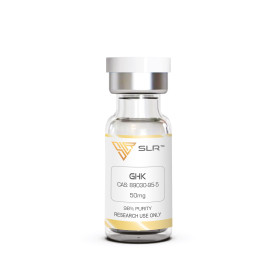
GHK - 50mg, 100mg
€56.00
Tax excluded
IN-STOCK
favorite_border favorite
GHK is a naturally occurring tripeptide that has been widely investigated in experimental and laboratory research for its involvement in multiple biological processes. Scientific studies suggest that GHK is associated with the following research-observed activities: Support of tissue repair processes: Linked to collagen-related pathways and cellular mechanisms involved in wound repair and tissue maintenance. Modulation of fibrinogen-related pathways: Associated with inflammatory signaling regulation and vascular biology mechanisms in experimental models. Activation of DNA repair–related gene networks: Observed to influence pathways connected to genomic stability and cellular maintenance. Engagement of the ubiquitin/proteasome system: Studied for its role in supporting protein quality control and cellular homeostasis. Influence on insulin and insulin-like signaling pathways: Associated with metabolic regulation mechanisms in gene expression studies. Collectively, these properties make GHK a molecule of interest in research areas such as cardiovascular biology, aging mechanisms, metabolic regulation, and tissue regeneration. 
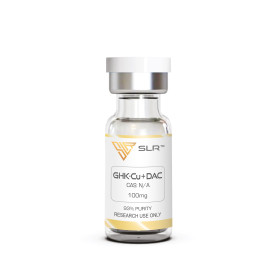
GHK-Cu + DAC - 100mg
€298.00
Tax excluded
IN-STOCK
favorite_border favorite
GHK-Cu with DAC is a modified version of the well-characterized copper tripeptide Gly-His-Lys (GHK), in which the peptide is conjugated with a stabilizing Maleimide-β-Ala linker designed to influence its persistence and interaction dynamics in experimental settings. Native GHK-Cu has been extensively studied for its involvement in tissue remodeling, extracellular matrix regulation, and cellular signaling processes. The addition of a DAC-type linker is intended to enhance the stability of the peptide and extend its functional presence in biological systems, allowing for more sustained interaction with target pathways under controlled research conditions. This modification does not alter the core peptide sequence but may influence how the compound behaves in terms of degradation resistance, distribution, and temporal activity profile. In laboratory and preclinical research, GHK-Cu has been associated with modulation of gene expression related to skin structure, cellular repair, inflammatory signaling, and oxidative balance. The DAC-conjugated form is therefore investigated as an extended-activity variant, suitable for studies requiring prolonged exposure and more stable peptide dynamics. All observations related to GHK-Cu and its modified forms derive from in vitro systems, animal studies, or other experimental models and are intended exclusively for scientific research purposes.