Active filters

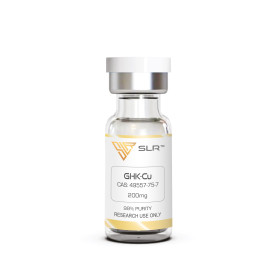
GHK-CU - 200mg
€98.00
Tax excluded
IN-STOCK
favorite_border favorite
INDEPENDENTLY TESTED • VERIFIED QUALITY ✓ Purity — HPLC analysis ✓ Identity — Mass spectrometry ✓ Net content  VERIFY COA AT FREEDOM DIAGNOSTICS → Enter search code: Suaw2605040578GHK-Cu is a naturally occurring copper-binding tripeptide widely studied for its role in tissue maintenance, cellular repair, and gene-regulatory processes. Research has associated GHK-Cu with multiple biological activities relevant to skin biology, cellular regeneration, and protective mechanisms at the molecular level. According to experimental and research observations, GHK-Cu has been associated with the following effects: Improves skin density and firmness Reduces the appearance of fine lines and deeper wrinkles Helps counteract photodamage related to environmental exposure Supports biological processes linked to hair follicle activity Demonstrates gene-regulatory activity relevant to cancer research models Supports mechanisms involved in nerve regeneration Activates pathways associated with DNA repair and cellular recovery All listed effects are derived from laboratory, preclinical, or controlled research contexts and are presented for scientific and educational purposes only.
HUMANIN G - 10mg
€119.00
Tax excluded
IN-STOCK
favorite_border favorite
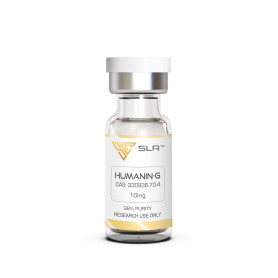
Humanin is a 24–amino acid mitochondrial-derived peptide in which each residue contributes to its biological activity. A key residue is serine at position 14, which is associated with neuroprotective properties. Substitution of this amino acid with glycine results in a more potent variant known as Humanin-G (HNG). Experimental research indicates that HNG exhibits substantially enhanced biological activity compared to native Humanin and is particularly effective in preserving mitochondrial function and cellular integrity under stress conditions. In preclinical and laboratory research settings, Humanin-G has been shown to support cellular survival by limiting mitochondrial dysfunction and reducing pathways associated with programmed cell death. These properties have generated scientific interest in its role within research models of ischemic injury, neurodegenerative processes such as Alzheimer’s disease, and other conditions linked to cellular stress. Based on experimental observations, Humanin-G has been associated with:  Protection against mitochondrial dysfunction in stressed cells Reduction of apoptosis-related cellular pathways Support of cellular longevity mechanisms in research models Modulation of insulin sensitivity in experimental systems Neuroprotective effects observed in models of ischemia and neurodegeneration
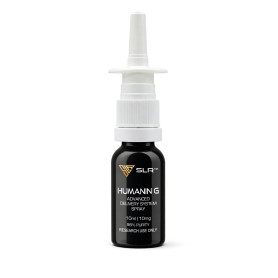
HUMANIN G - 10ml/10mg - Spray
€158.00
Tax excluded
IN-STOCK
favorite_border favorite
Humanin is a 24–amino acid mitochondrial-derived peptide in which each residue contributes to its biological activity. A key residue is serine at position 14, which is associated with neuroprotective properties. Substitution of this amino acid with glycine results in a more potent variant known as Humanin-G (HNG). Experimental research indicates that HNG exhibits substantially enhanced biological activity compared to native Humanin and is particularly effective in preserving mitochondrial function and cellular integrity under stress conditions. In preclinical and laboratory research settings, Humanin-G has been shown to support cellular survival by limiting mitochondrial dysfunction and reducing pathways associated with programmed cell death. These properties have generated scientific interest in its role within research models of ischemic injury, neurodegenerative processes such as Alzheimer’s disease, and other conditions linked to cellular stress. Based on experimental observations, Humanin-G has been associated with: Protection against mitochondrial dysfunction in stressed cells Reduction of apoptosis-related cellular pathways Support of cellular longevity mechanisms in research models Modulation of insulin sensitivity in experimental systems Neuroprotective effects observed in models of ischemia and neurodegeneration FRESHLY PREPARED SOLUTION 
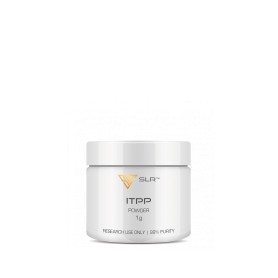
ITPP (MYO-INOSITOL TRISPYROPHOSPHATE) - 1gr/5gr
€40.00
Tax excluded
IN-STOCK
favorite_border favorite
Myo-Inositol Trispyrophosphate Hexasodium Salt (ITPP) is a compound studied for its ability to influence oxygen delivery dynamics by modulating hemoglobin’s affinity for oxygen. This mechanism has been associated, in experimental settings, with changes in tissue oxygen availability and cellular metabolic processes. In preclinical and laboratory research, ITPP has been explored for its potential impact on metabolic efficiency, oxidative balance, and inflammatory pathways. Its interaction with oxygen-dependent systems has generated scientific interest in areas related to cellular energy metabolism, mitochondrial function, and tissue-level physiology. Additionally, ongoing research has investigated the broader implications of oxygen modulation in contexts such as aging processes, cellular stress response, and complex biological environments including those associated with neurodegenerative and proliferative conditions.
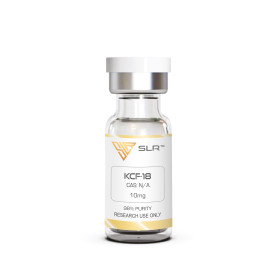
KCF-18 - 10mg
€124.00
Tax excluded
IN-STOCK
favorite_border favorite
Research and experimental studies indicate that KCF-18 is associated with the following characteristics and biological activities: Interaction with multiple pro-inflammatory cytokine pathways, including TNF-α, IL-1β, and IL-6 Functioning as a cytokine-binding decoy in experimental models Modulation of inflammatory signaling involved in vascular and endothelial processes Influence on immune cell adhesion and transmigration in laboratory settings Potential role in the regulation of immune response signaling Structural design that supports interaction with multiple cytokine-related targets
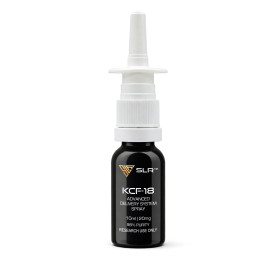
KCF-18 - 10ml/20mg - Spray
€265.00
Tax excluded
IN-STOCK
favorite_border favorite
Research and experimental studies indicate that KCF-18 is associated with the following characteristics and biological activities: Interaction with multiple pro-inflammatory cytokine pathways, including TNF-α, IL-1β, and IL-6 Functioning as a cytokine-binding decoy in experimental models Modulation of inflammatory signaling involved in vascular and endothelial processes Influence on immune cell adhesion and transmigration in laboratory settings Potential role in the regulation of immune response signalingStructural design that supports interaction with multiple cytokine-related targets FRESHLY PREPARED SOLUTION 
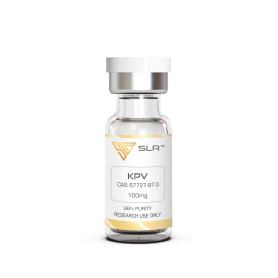
KPV - 100mg
€240.00
Tax excluded
IN-STOCK
favorite_border favorite
KPV is a short peptide that has been extensively investigated in experimental models for its role in the modulation of inflammatory responses. Current research has focused primarily on its involvement in studies related to inflammatory bowel disease. Additional studies in wound-healing models suggest that KPV, along with other α-MSH–derived peptides, may influence tissue repair processes, inflammatory regulation, microbial control, and structural outcomes associated with healing. According to experimental and preclinical research, KPV has been studied in relation to: Inflammatory mechanisms associated with acne and cystic acne Intestinal inflammatory signaling in Crohn’s disease research models Experimental models of ulcerative colitis and irritable bowel syndrome Inflammatory skin conditions such as eczema and psoriasis Immune and inflammatory responses explored in mold- and Lyme-related models Neuroinflammatory pathways investigated in multiple sclerosis research Inflammatory conditions affecting skin and ocular tissues Airway inflammation examined in allergic asthma models Joint inflammation studied in arthritis-related research
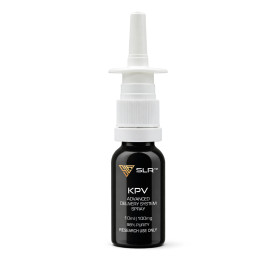
KPV - 10ml/100mg - Spray
€279.00
Tax excluded
IN-STOCK
favorite_border favorite
KPV is a short peptide that has been extensively investigated in experimental models for its role in the modulation of inflammatory responses. Current research has focused primarily on its involvement in studies related to inflammatory bowel disease. Additional studies in wound-healing models suggest that KPV, along with other α-MSH–derived peptides, may influence tissue repair processes, inflammatory regulation, microbial control, and structural outcomes associated with healing. According to experimental and preclinical research, KPV has been studied in relation to:Inflammatory mechanisms associated with acne and cystic acneIntestinal inflammatory signaling in Crohn’s disease research modelsExperimental models of ulcerative colitis and irritable bowel syndromeInflammatory skin conditions such as eczema and psoriasisImmune and inflammatory responses explored in mold- and Lyme-related modelsNeuroinflammatory pathways investigated in multiple sclerosis researchInflammatory conditions affecting skin and ocular tissuesAirway inflammation examined in allergic asthma modelsJoint inflammation studied in arthritis-related research
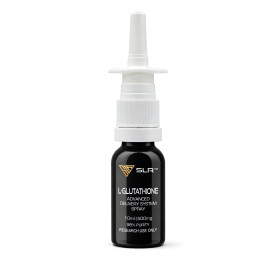
L-GLUTATHIONE - 10ml/500mg - Spray
€65.00
Tax excluded
IN-STOCK
favorite_border favorite
L-Glutathione is a naturally occurring tripeptide that has been extensively studied for its central role in cellular protection and metabolic balance. Research and experimental data indicate that L-Glutathione is associated with the following biological processes: Regulation of intracellular redox balance and antioxidant defenses Protection of cells from oxidative stress and reactive oxygen species Support of detoxification and cellular clearance pathways Modulation of immune and inflammatory signaling mechanisms Maintenance of mitochondrial function and cellular energy metabolism Preservation of protein structure and prevention of oxidative damage Involvement in cellular stress adaptation and aging-related processes FRESHLY PREPARED SOLUTION 
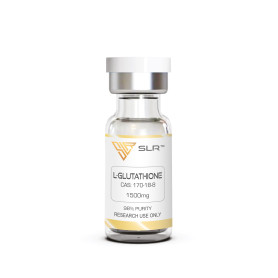
L-GLUTATHIONE - 1500mg
€38.00
Tax excluded
IN-STOCK
favorite_border favorite
L-Glutathione is a naturally occurring tripeptide that has been extensively studied for its central role in cellular protection and metabolic balance. Research and experimental data indicate that L-Glutathione is associated with the following biological processes: Regulation of intracellular redox balance and antioxidant defenses Protection of cells from oxidative stress and reactive oxygen species Support of detoxification and cellular clearance pathways Modulation of immune and inflammatory signaling mechanisms Maintenance of mitochondrial function and cellular energy metabolism Preservation of protein structure and prevention of oxidative damage Involvement in cellular stress adaptation and aging-related processes
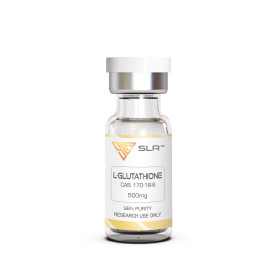
L-GLUTATHIONE - 500mg
€29.00
Tax excluded
IN-STOCK
favorite_border favorite
L-Glutathione is a naturally occurring tripeptide that has been extensively studied for its central role in cellular protection and metabolic balance. Research and experimental data indicate that L-Glutathione is associated with the following biological processes: Regulation of intracellular redox balance and antioxidant defenses Protection of cells from oxidative stress and reactive oxygen species Support of detoxification and cellular clearance pathways Modulation of immune and inflammatory signaling mechanisms Maintenance of mitochondrial function and cellular energy metabolism Preservation of protein structure and prevention of oxidative damage Involvement in cellular stress adaptation and aging-related processes
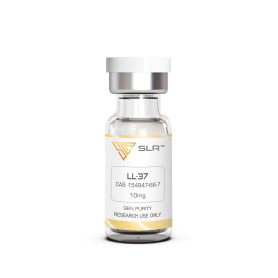
LL-37-10mg
€79.90
Tax excluded
IN-STOCK
favorite_border favorite
LL-37 is the only known human member of the cathelicidin family, a broad class of proteins commonly referred to as antimicrobial peptides (AMPs). These peptides are primarily expressed in macrophages and polymorphonuclear leukocytes, where they contribute to innate immune defense against microbial threats. Beyond their antimicrobial role, experimental research has demonstrated that LL-37 is involved in a wide range of biological processes related to immune regulation, inflammation, tissue repair, and cellular signaling. For this reason, LL-37 has been extensively studied in research models relevant to cancer biology, autoimmune mechanisms, inflammatory conditions, and wound-related processes. According to experimental research, LL-37 has been investigated in relation to: Inflammatory processes associated with rheumatoid arthritis Immune dysregulation studied in lupus models Chronic and acute inflammatory conditions Vascular inflammation relevant to atherosclerosis research Skin inflammation examined in psoriasis models Intestinal inflammation studied in colitis research Gastrointestinal inflammatory signaling in Crohn’s disease models Tissue injury and repair processes associated with ulcers Impaired wound-healing environments such as diabetic foot models Cellular and immune mechanisms explored in cancer research Broad antimicrobial activity within innate immune defense systems
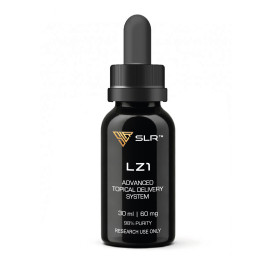
LZ1 - 30ml/60mg (Price on request)
favorite_border favorite
Made to Order Compound ✦ Price on Request. Contact us LZ1 is characterized as a 15-residue cationic antimicrobial peptide with: - Strong activity against Gram-positive skin pathogens and certain antibiotic-resistant strains - Negligible hemolytic activity and low cytotoxicity toward keratinocytes - Observed anti-inflammatory effects through modulation of TNF-α and IL-1β pathways - Documented antimalarial activity associated with inhibition of parasite energy metabolism These properties make LZ1 a relevant compound for experimental research in antimicrobial mechanisms, inflammatory signaling, and skin biology.
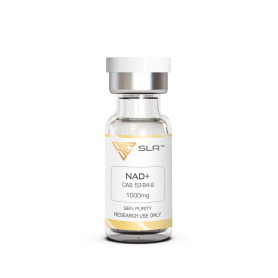
NAD+ - 1000mg
€64.90
Tax excluded
IN-STOCK
favorite_border favorite
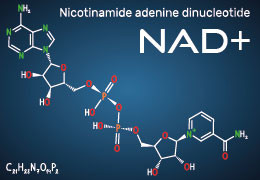
NAD⁺ (Nicotinamide Adenine Dinucleotide) is a central cellular coenzyme essential for mitochondrial energy production and redox balance. It plays a critical role in oxidative phosphorylation, ATP synthesis, and metabolic regulation. NAD⁺ also functions as a substrate for sirtuins and PARP enzymes, contributing to DNA repair, cellular stress resistance, and longevity-associated pathways. Due to its involvement in bioenergetics and cellular resilience, NAD⁺ is widely studied in mitochondrial function, metabolic regulation, and age-related biological processes
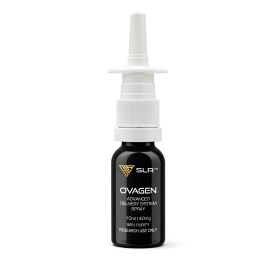
OVAGEN - 10ml/40mg - Spray
€142.00
Tax excluded
IN-STOCK
favorite_border favorite
Ovagen is a bioregulatory peptide that has been studied for its role in supporting gastrointestinal mucosal integrity and maintaining normal liver tissue structure. Research suggests it may help protect the gastrointestinal mucosal layer from stressors such as antibiotics, toxins, and anti-inflammatory agents, while also being associated with reduced fibrotic processes in liver tissue. Ongoing experimental studies are further evaluating Ovagen’s interaction with mechanisms involved in HIV viral replication. FRESHLY PREPARED SOLUTION 
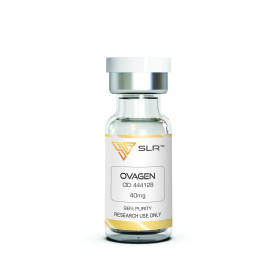
OVAGEN - 40mg
€119.00
Tax excluded
IN-STOCK
favorite_border favorite
Ovagen is a bioregulatory peptide that has been studied for its role in supporting gastrointestinal mucosal integrity and maintaining normal liver tissue structure. Research suggests it may help protect the gastrointestinal mucosal layer from stressors such as antibiotics, toxins, and anti-inflammatory agents, while also being associated with reduced fibrotic processes in liver tissue. Ongoing experimental studies are further evaluating Ovagen’s interaction with mechanisms involved in HIV viral replication.
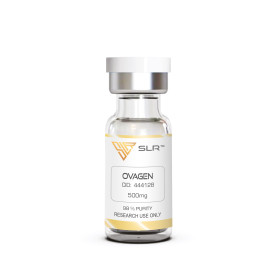
OVAGEN - 500mg
€680.00
Tax excluded
Custom Synthesis ✦ Limited Stock Available
favorite_border favorite
Ovagen is a bioregulatory peptide that has been studied for its role in supporting gastrointestinal mucosal integrity and maintaining normal liver tissue structure. Research suggests it may help protect the gastrointestinal mucosal layer from stressors such as antibiotics, toxins, and anti-inflammatory agents, while also being associated with reduced fibrotic processes in liver tissue. Ongoing experimental studies are further evaluating Ovagen’s interaction with mechanisms involved in HIV viral replication.
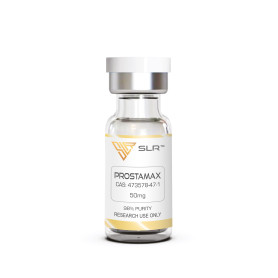
PROSTAMAX - 50mg
€128.00
Tax excluded
IN-STOCK
favorite_border favorite
Prostamax is a prostate-derived bioregulatory peptide that has been investigated in experimental models of chronic aseptic prostate inflammation. Research data indicate that Prostamax is associated with a reduction in inflammatory markers, modulation of tissue remodeling processes, and prevention of fibrotic and atrophic changes within prostate tissue in animal-based studies. Additionally, experimental observations suggest an influence on functional activity parameters in studied models. Comparative research has shown that Prostamax demonstrates a broader and more sustained biological activity in prostate-focused experimental systems when compared with other commonly used prostatotropic research compounds of peptide origin.
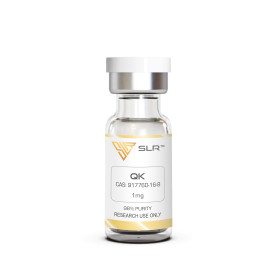
QK - 1mg
€85.00
Tax excluded
IN-STOCK
favorite_border favorite
QK is a synthetic peptide designed to mimic the activity of Vascular Endothelial Growth Factor (VEGF), one of the primary regulators of angiogenesis (the formation of new blood vessels). Unlike full-length VEGF, QK is a smaller and more stable molecule that retains the ability to bind endothelial receptors (particularly VEGFR-1), activating key biological pathways involved in vascular growth. Its primary effect is the stimulation of angiogenesis, through: endothelial cell proliferation and migration formation of new capillary structures improvement of microcirculation These properties make QK highly relevant in research related to: tissue regeneration wound healing ischemic conditions (reduced blood flow) endothelial function and vascular health In summary, QK is a targeted angiogenic mimetic, useful for studying controlled vascular growth in experimental settings, offering improved stability and control compared to natural VEGF.
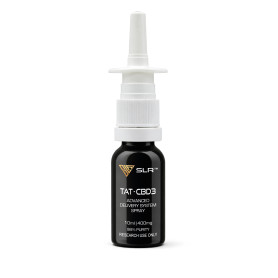
TAT-CBD3 - 10ml/400mg - Spray
€395.00
Tax excluded
Developed Compound
favorite_border favorite
TAT-CBD3 is a cell-penetrating peptide designed to modulate neuropathic pain by selectively disrupting the interaction between CRMP-2 and CaV2.2 voltage-gated calcium channels. By reducing calcium influx and excitatory neurotransmitter release, it decreases nociceptor hyperexcitability and abnormal pain signaling. Unlike conventional analgesics, TAT-CBD3 targets upstream molecular mechanisms involved in pain transmission, offering a more selective neuromodulatory approach. Preclinical studies have demonstrated its ability to reduce key features of neuropathic pain, including allodynia, hyperalgesia, and hypersensitivity.
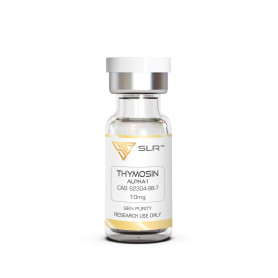
THYMOSIN ALPHA-1 - 10 mg
€89.00
Tax excluded
IN-STOCK
favorite_border favorite
Thymosin alpha-1 is a thymus-derived peptide widely studied as a potent regulator of immune function. It supports adaptive immunity by promoting T-cell maturation and enhancing immune communication through cytokine signaling pathways. Research in thymus-deficient models suggests thymosin alpha-1 may restore immune competence and improve resistance to infection. It has also been investigated as a vaccine adjuvant, potentially strengthening immune memory and improving the effectiveness of inactivated vaccines. In addition, thymosin alpha-1 has been studied in sepsis-related research due to its ability to modulate immune responses and potentially improve outcomes in severe infection-driven inflammatory states. These properties make thymosin alpha-1 a peptide of significant interest in research involving immune aging, infection susceptibility, vaccine response, and immune system resilience.
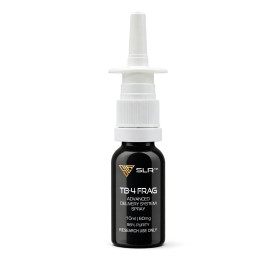
THYMOSIN B-4 FRAG - 10ml/60mg - Spray
€146.00
Tax excluded
IN-STOCK
favorite_border favorite
Thymosin Beta-4 Fragment is a short peptide derived from the active region of Thymosin Beta-4, commonly employed in preclinical research to investigate actin-regulated cell migration, angiogenesis, inflammatory modulation, and tissue remodeling mechanisms. In experimental models, it has been studied for its involvement in wound-related cellular dynamics, oxidative stress responses, and regeneration-associated signaling pathways. FRESHLY PREPARED SOLUTION 
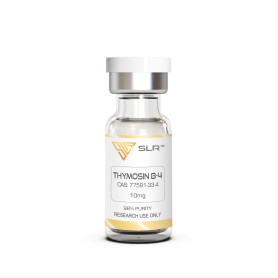
THYMOSIN BETA-4 (43aa) - 10mg
€79.00
Tax excluded
IN-STOCK
favorite_border favorite
INDEPENDENTLY TESTED • VERIFIED QUALITY ✓ Purity — HPLC analysis ✓ Identity — Mass spectrometry ✓ Net content  VERIFY COA AT FREEDOM DIAGNOSTICS → Enter search code: Suaw2605040574Thymosin Beta-4 (Tβ4), often associated with the peptide fragment TB-500 in research contexts, is a naturally occurring peptide involved in tissue repair, immune regulation, and cellular regeneration. Its primary mechanism is linked to actin-binding activity, supporting cytoskeletal remodeling and promoting cell migration essential for wound healing. Research suggests Tβ4 may stimulate angiogenesis, enhance collagen deposition, support keratinocyte and endothelial migration, and reduce inflammatory cytokine signaling through modulation of pathways such as NF-κB. It has been studied in experimental models of skin repair, corneal injury, dry eye conditions, cardiovascular remodeling after ischemic injury, systemic inflammation including sepsis models, neurological injury, autoimmune neuroinflammation, and musculoskeletal recovery. These properties make Tβ4 a major peptide of interest in regenerative biology and inflammation-related research.
TISSUE REPAIR - 30ml
€329.00
Tax excluded
IN-STOCK
favorite_border favorite
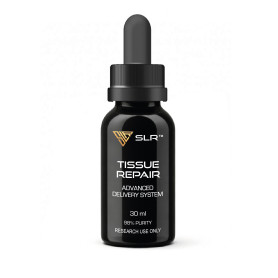
Tissue Repair is a structured multi-peptide research formulation developed to explore coordinated biological processes involved in connective tissue restoration and structural integrity. The combination of BPC-157 Arginate, Cardiogen, KPV, GHK, and Thymosin Beta-4 Fragment allows integrated investigation of mechanisms related to: Muscle, tendon, ligament, and bone repair dynamics Cellular growth and angiogenesis Collagen synthesis and extracellular matrix organization Fibroblast activation and directed migration Anti-inflammatory and antioxidant activity Wound healing and epithelial regeneration Ocular tissue repair research Maintenance of connective tissue flexibility Regulation of joint-associated inflammatory responses In addition, individual components within the complex have been examined in broader research contexts involving inflammatory skin conditions, acne-related models (including cystic presentations), oxidative stress–related tissue imbalance, immune-modulated inflammatory states, and experimental models associated with systemic inflammatory conditions. Research literature has also explored mechanistic pathways related to neuroinflammatory environments and immune-associated disorders, including experimental contexts relevant to conditions such as allergic airway inflammation and autoimmune-associated tissue stress.  Rather than acting on a single biological target, Tissue Repair reflects the multi-step nature of tissue remodeling, where cellular migration, structural protein synthesis, vascular support, inflammatory regulation, and oxidative balance operate in synchrony.  FRESHLY PREPARED SOLUTION